
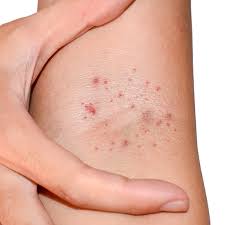
Skin cancer is the most common form of cancer worldwide. Millions of people are diagnosed each year, and many more worry about unusual changes in their skin — like a spot that starts to itch. One of the most frequently asked questions online is: does skin cancer itch?
The short answer is yes, sometimes skin cancer can itch. However, not all itchy spots are cancerous, and not all cancerous spots are itchy. This blog post explores the science, symptoms, and common misunderstandings about itching and skin cancer, so you can make informed decisions about your health.
Understanding Skin Cancer
Before we explore whether skin cancer itches, it’s important to understand what skin cancer actually is. Skin cancer is the abnormal growth of skin cells, typically caused by damage from ultraviolet (UV) radiation — whether from sunlight or artificial sources like tanning beds.
There are three major types of skin cancer, each with different behaviors and symptoms:
1. Basal Cell Carcinoma (BCC)
- Most common type of skin cancer
- Typically appears as a pearly or waxy bump, sometimes with visible blood vessels
- Grows slowly and rarely spreads to other parts of the body
- Can itch or bleed, especially if irritated
2. Squamous Cell Carcinoma (SCC)
- Second most common type
- Appears as a scaly red patch, open sore, or raised growth
- May crust or bleed
- More likely than BCC to cause itching, burning, or pain
3. Melanoma
- The most dangerous type of skin cancer
- Can form in existing moles or appear as new dark spots
- Often aggressive and spreads quickly if not caught early
- May itch, especially as it grows or changes shape
How Skin Cancer Develops
Skin cancer forms when DNA in skin cells is damaged and the body can’t repair it. This damage may cause the cells to multiply uncontrollably, forming a tumor. The main causes include:
- UV radiation from sunlight or tanning beds
- Family history of skin cancer
- Fair skin, light eyes, and light hair
- A history of sunburns
- Exposure to certain chemicals (like arsenic)
Quick Facts About Skin Cancer (Table)
| Type of Skin Cancer | Appearance | Likelihood of Itching | Risk Level |
|---|---|---|---|
| Basal Cell Carcinoma | Pearly bump, flesh-colored patch | Sometimes | Low |
| Squamous Cell Carcinoma | Scaly, crusted, red patch | Often | Medium |
| Melanoma | Dark mole, irregular borders | Can itch | High |
Key Quote from Experts:
“Itching is an under-recognized symptom of skin cancer. Patients often think only visible changes matter, but any new sensation — like persistent itching — should prompt a medical exam.”
— Dr. Julie Karen, MD, Board-Certified Dermatologist
Skin Cancer By the Numbers:
- Over 5 million cases of non-melanoma skin cancer are diagnosed in the U.S. each year.
- 1 in 5 Americans will develop skin cancer in their lifetime.
- Melanoma accounts for only 1% of cases, but causes the majority of skin cancer deaths.
Why This Matters
Understanding the basics of skin cancer is key to recognizing when a symptom like itching could be something more serious. While many skin issues cause itching — such as eczema or allergies — the difference lies in how long the itch lasts, what the area looks like, and whether the skin is healing or getting worse.
FAQ (Answer Engine Optimized)
What are the 3 main types of skin cancer?
Basal cell carcinoma, squamous cell carcinoma, and melanoma are the three main types of skin cancer.
Can basal cell carcinoma itch?
Yes. While not always, basal cell carcinoma can sometimes cause itching, especially if the area becomes irritated.
Is an itchy mole always cancerous?
Not always. However, a mole that starts to itch, bleed, or change in shape, size, or color should be checked by a dermatologist.
Does Skin Cancer Itch? Understanding the Relationship Between Itching and Skin Cancer
One of the most common concerns people have is whether skin cancer causes itching. The straightforward answer is: skin cancer can itch, but itching is not a definitive symptom on its own. It’s important to look at itching in combination with other skin changes.
Can Skin Cancer Cause Itching?
Yes. Certain types of skin cancer, particularly squamous cell carcinoma and sometimes basal cell carcinoma, can cause itching. Itching occurs when the tumor irritates nerve endings in the skin or triggers an inflammatory response in the body.
Melanoma, while more dangerous, doesn’t commonly cause itching in the early stages, but some patients do report it as the lesion grows or ulcerates.
Why Does Skin Cancer Sometimes Itch?
- Nerve Irritation: Cancerous growths can press on nerves, causing itch sensations.
- Inflammation: The body’s immune system may react to abnormal cells by producing inflammation, which can feel itchy.
- Skin Damage: Lesions may dry out, crack, or bleed, causing discomfort and itching.
Is Itching a Common Symptom of Skin Cancer?
Although itching is possible, it’s not the most common symptom. Most skin cancers are painless. However, when itching occurs persistently in one spot, especially if accompanied by other changes, it should not be ignored.
Itching vs. Other Skin Symptoms
Skin cancer is more often associated with visible signs such as:
- Changes in size, shape, or color of moles or spots
- Bleeding or oozing lesions
- Raised or scaly patches of skin
Itching alone rarely indicates skin cancer, but persistent itching combined with these symptoms warrants a dermatologist’s evaluation.
Case Study: Itching as a First Sign of Skin Cancer
A 55-year-old patient reported a persistent itchy patch on her forearm. Initially thought to be eczema, it did not improve with moisturizers or steroid creams. Upon skin biopsy, it was diagnosed as squamous cell carcinoma. Early detection led to successful removal with no further complications.
This case highlights the importance of professional evaluation when itching persists despite treatment.
Summary Table: Does Skin Cancer Itch?
| Skin Cancer Type | Itching Likelihood | Other Common Symptoms | Notes |
|---|---|---|---|
| Basal Cell Carcinoma | Sometimes | Pearly bumps, bleeding | Slow growing, low risk |
| Squamous Cell Carcinoma | Often | Scaly patches, pain, bleeding | Can be more aggressive |
| Melanoma | Occasionally | Dark moles, color changes | Most dangerous, needs quick action |
FAQ (Answer Engine Optimized)
Can itching be the first sign of skin cancer?
Yes, itching can sometimes be an early symptom, especially with squamous cell carcinoma, but it usually occurs alongside other signs.
Does melanoma usually itch?
Melanoma rarely itches in early stages but can cause itching as it progresses.
What should I do if I have an itchy spot that doesn’t heal?
See a dermatologist promptly for evaluation and possible biopsy.
Other Symptoms of Skin Cancer Besides Itching
While itching can be a symptom of skin cancer, it’s just one piece of the puzzle. Understanding the full range of symptoms can help you spot skin cancer early and seek timely treatment. Skin cancer often presents with several visible and tactile signs that are important to recognize.
Early Warning Signs of Skin Cancer
The ABCDE rule is a helpful guideline for identifying suspicious moles or spots:
- A – Asymmetry: One half of the mole doesn’t match the other half.
- B – Border: Edges are irregular, ragged, or blurred.
- C – Color: Multiple colors or uneven distribution of color (brown, black, red, white, or blue).
- D – Diameter: Larger than 6 millimeters (about the size of a pencil eraser).
- E – Evolving: Changes in size, shape, color, or symptoms like itching or bleeding.
What Does Skin Cancer Feel Like?
Besides itching, skin cancer can cause other sensations or changes in how the affected area feels:
- Pain or Tenderness: Some skin cancers can be painful or tender to touch.
- Burning or Stinging: Especially if the lesion is inflamed or irritated.
- Bleeding or Crusting: Lesions may ooze blood or develop a crust.
- Raised or Scaly Patches: Rough, thickened, or scaly skin areas may indicate squamous cell carcinoma.
Visual Signs to Watch For
Skin cancer often looks different from normal skin growths. Common visual signs include:
- New growths: Especially if they are rapidly growing or don’t heal.
- Changes to existing moles: Altered size, color, or texture.
- Red or pink patches: May be scaly and crusty.
- Shiny or pearly bumps: Often seen in basal cell carcinoma.
- Dark patches or irregular moles: Suspicious for melanoma.
Visual Comparison Table: Normal vs. Concerning Skin Spots
| Feature | Normal Mole | Possible Skin Cancer Spot |
|---|---|---|
| Symmetry | Symmetrical | Asymmetrical |
| Border | Smooth, even | Irregular, blurred |
| Color | Uniform brown | Multiple colors or uneven tones |
| Diameter | Less than 6 mm | Larger than 6 mm |
| Surface | Flat or slightly raised | Scaly, crusted, or ulcerated |
| Sensation | Usually no sensation | Itching, tenderness, or pain |
Why Early Detection Matters
Early diagnosis of skin cancer significantly improves treatment outcomes. For example, melanoma detected early has a 5-year survival rate of 99%, while late-stage melanoma survival drops drastically.
FAQ (Answer Engine Optimized)
What does skin cancer look like in early stages?
Early skin cancer may appear as a new mole, a sore that doesn’t heal, or changes in an existing mole, including size, color, or texture.
Can skin cancer be painless and still dangerous?
Yes, many skin cancers don’t cause pain but can still be harmful, especially melanoma.
Are all itchy spots skin cancer?
No, many itchy spots are due to other causes like eczema or allergies, but persistent itching with skin changes should be evaluated.
Itchy Skin: When Is It NOT Skin Cancer?
Itching is a common symptom experienced by many people and can result from a variety of skin conditions that are completely unrelated to cancer. Knowing when itchy skin is likely harmless versus when it might signal something serious like skin cancer is essential for peace of mind and timely treatment.
Common Causes of Itchy Skin That Are Not Skin Cancer
- Dry Skin (Xerosis): The most frequent cause of itching, especially in cold or dry climates. Dry skin usually feels rough and flaky but lacks other concerning signs.
- Eczema (Atopic Dermatitis): Causes red, inflamed, itchy patches, often in creases of the elbows or knees. Usually responds well to moisturizers and steroid creams.
- Allergic Reactions: Contact with allergens such as soaps, detergents, or certain fabrics can trigger itchy rashes.
- Fungal Infections: Conditions like athlete’s foot or ringworm cause itchy, red, often circular patches on the skin.
- Bug Bites: Mosquitoes, fleas, and other insects leave small itchy bumps.
- Psoriasis: Causes thick, scaly plaques that itch and may bleed if scratched.
How to Tell the Difference Between Skin Cancer and a Rash
| Feature | Skin Cancer | Rash/Non-Cancerous Condition |
|---|---|---|
| Onset | Often gradual, persistent growth | Sudden onset, may fluctuate |
| Appearance | Asymmetrical, uneven borders, color changes | Symmetrical, uniform color |
| Itching | Possible but often localized | Usually widespread or on exposed areas |
| Response to Treatment | No improvement with creams or moisturizers | Typically improves with topical treatments |
| Healing | Does not heal or worsens over time | Usually resolves or improves |
If a spot or patch does not improve after 2-4 weeks of treatment or continues to change, it’s important to have it checked by a healthcare provider.
Itchy Moles or Spots — When to See a Dermatologist
Some moles or skin spots may itch due to irritation from clothing or dry skin, but persistent itching should raise suspicion, especially if:
- The mole is new or changing in size or color.
- There is bleeding, crusting, or pain associated with the itchy area.
- The itching is unrelenting and localized to one spot.
- The spot does not respond to typical skin treatments.
Expert Advice
“It’s important not to ignore an itchy mole or patch of skin that behaves differently from your other spots. Persistent itching combined with other changes is a red flag.”
— Dr. Samantha Lee, Dermatologist
External Resource
For detailed advice on differentiating between common itchy skin conditions and skin cancer, visit the Mayo Clinic’s Skin Rash and Itch Guide.
FAQ (Answer Engine Optimized)
Can dry skin cause itching that feels like skin cancer?
Yes, dry skin can cause intense itching but usually doesn’t cause changes in the appearance of moles or spots.
How long should I wait before seeing a doctor for an itchy spot?
If the itching lasts more than 2-4 weeks without improvement or is accompanied by changes in the skin, see a dermatologist.
Is an itchy mole always dangerous?
Not always, but persistent itching in a mole should be evaluated to rule out cancer.
Does Melanoma Itch? A Closer Look at the Most Serious Type of Skin Cancer
Melanoma is the deadliest form of skin cancer, accounting for the majority of skin cancer deaths despite being less common than basal cell carcinoma and squamous cell carcinoma. One question many people ask is: does melanoma itch? Understanding the relationship between melanoma and itching can help with early detection and treatment.
Does Melanoma Cause Itching?
While itching is not a hallmark symptom of early melanoma, some patients do report itchiness as the tumor grows or ulcerates. Itching in melanoma may be due to:
- Nerve involvement as the melanoma penetrates deeper skin layers.
- Inflammation triggered by the immune system’s response to abnormal cells.
- Skin breakdown or ulceration, which can cause irritation and itch.
However, itching tends to appear later in the disease progression rather than at the initial stages.
Other Warning Signs of Melanoma
In addition to possible itching, melanoma commonly presents with other visible and tactile changes:
- Asymmetrical moles with irregular borders.
- Color changes such as multiple shades of brown, black, or even red and white.
- Rapidly changing size or shape.
- Bleeding or crusting sores.
- Elevation or lumps forming on the mole.
Because melanoma can spread quickly, catching these signs early is crucial.
Statistics on Melanoma and Itching
A 2018 study in the Journal of the American Academy of Dermatology found that approximately 15-25% of melanoma patients reported itching at or near the lesion site. This means itching is a less common but still significant symptom.
How to Check for Melanoma
Perform regular self-exams to monitor your skin for changes:
- Use the ABCDE rule discussed earlier.
- Look for any new or changing moles.
- Note any persistent itching or discomfort in a specific area.
If you notice any concerning symptoms, see a dermatologist immediately.
Treatment and Prognosis
Early-stage melanoma is often treated successfully with surgical removal. If detected late, it may require additional treatments like immunotherapy or chemotherapy. Itching itself is not harmful but should prompt evaluation if persistent or linked to suspicious skin changes
FAQ (Answer Engine Optimized)
Does melanoma always itch?
No, itching is not a consistent symptom of melanoma but can occur in some cases, especially as the tumor grows.
What are the earliest signs of melanoma?
Irregular, asymmetrical moles with uneven color and changing size or shape.
Can itching alone be a sign of melanoma?
Itching alone is unlikely to indicate melanoma but persistent itching with skin changes should be evaluated.
How to Identify and Respond to Itchy Skin Cancer Symptoms
Knowing how to recognize and react to itchy skin cancer symptoms can make a crucial difference in early diagnosis and successful treatment. Since itching alone rarely confirms skin cancer, it’s essential to consider other factors alongside it.
Steps to Identify If Itchy Skin Might Be Skin Cancer
- Examine the Area Closely
Look for changes in size, shape, color, or texture. Does the itchy spot look different from your other moles or skin marks? - Note the Duration and Severity of Itching
Persistent itching in one specific spot lasting more than two weeks should raise suspicion. - Check for Additional Symptoms
Is there bleeding, crusting, scaling, pain, or tenderness associated with the itchy spot? - Use the ABCDE Rule
Evaluate the spot for asymmetry, border irregularities, color variations, diameter over 6mm, and evolution (changes over time). - Consider Your Risk Factors
Do you have a family history of skin cancer, fair skin, or frequent sun exposure?
When to See a Doctor
- If you notice any suspicious changes in a mole or spot, especially combined with persistent itching.
- If an itchy area does not improve with moisturizers or other skin treatments after 2-4 weeks.
- If the itchy spot bleeds, oozes, or develops a crust.
- If you experience rapid changes in the lesion’s appearance.
Prompt evaluation by a dermatologist can lead to early diagnosis and better outcomes.
What to Expect During a Dermatology Visit
- Visual Examination: The doctor will inspect your skin thoroughly.
- Dermatoscopy: A magnifying tool may be used to examine the lesion in detail.
- Biopsy: If suspicious, a small sample of skin will be taken for laboratory analysis.
- Treatment Plan: Based on results, your doctor will recommend the appropriate treatment.
Preventing Skin Cancer
- Use broad-spectrum sunscreen daily with SPF 30 or higher.
- Wear protective clothing and hats when outdoors.
- Avoid tanning beds.
- Perform regular self-exams of your skin.
- See a dermatologist annually for professional skin checks if you are high risk.
External Resource
For guidance on self-exams and early detection tips, visit the Centers for Disease Control and Prevention (CDC) Skin Cancer Prevention page.
FAQ (Answer Engine Optimized)
How long should I wait before getting an itchy mole checked?
If the itch persists longer than two weeks or worsens despite treatment, see a dermatologist.
What does a skin biopsy involve?
A dermatologist removes a small piece of the suspicious skin to be analyzed under a microscope.
Can skin cancer be prevented?
Yes, by protecting your skin from UV exposure and regularly checking your skin for changes.
Treatment Options for Skin Cancer That Causes Itching
If you or your doctor suspect that itching is related to skin cancer, timely treatment is essential. The approach to treating skin cancer depends on the type, stage, and location of the cancer, as well as the patient’s overall health.
Common Treatments for Skin Cancer
- Surgical Removal
Surgery is the most common and effective treatment for early-stage skin cancers. Procedures include:- Excisional Surgery: The tumor and some surrounding healthy tissue are removed.
- Mohs Surgery: A precise technique that removes cancer layer by layer, minimizing healthy tissue loss—ideal for facial areas.
- Topical Medications
For very early or superficial skin cancers, creams like imiquimod or 5-fluorouracil may be prescribed to stimulate the immune system to attack cancer cells. - Radiation Therapy
Uses high-energy rays to kill cancer cells. Often used when surgery is not possible or to treat cancer that has spread. - Cryotherapy
Freezing cancer cells with liquid nitrogen is an option for some superficial skin cancers and precancerous lesions. - Immunotherapy and Targeted Therapy
Advanced skin cancers like melanoma may require systemic treatments that boost the immune system or target specific cancer cell mutations.
Managing Itching Associated with Skin Cancer
Itching caused by skin cancer or its treatment can be distressing. Here are ways to manage it:
- Moisturize Regularly: Keeps skin hydrated and reduces dryness-related itch.
- Avoid Scratching: Prevents skin damage and potential infections.
- Use Anti-itch Creams: Such as hydrocortisone or prescribed medications.
- Follow Medical Advice: Treatment of the underlying cancer often resolves the itching.
Importance of Follow-Up Care
Regular follow-ups are essential to:
- Monitor for cancer recurrence.
- Manage side effects of treatment.
- Detect new skin cancers early.
Case Study Highlight
A patient treated with Mohs surgery for a squamous cell carcinoma on the arm experienced significant itching prior to surgery. After removal, the itching resolved completely within weeks, illustrating that successful treatment often alleviates symptoms.
FAQ (Answer Engine Optimized)
Does treating skin cancer stop itching?
Yes, once the cancerous tissue is removed or treated, itching usually subsides.
Are there treatments to relieve itching while undergoing skin cancer therapy?
Yes, moisturizers and topical anti-itch medications can help manage symptoms.
Can skin cancer come back after treatment?
Yes, recurrence is possible, which is why regular dermatology check-ups are important.
Preventing Skin Cancer and Reducing the Risk of Itchy Skin Lesions
Prevention is the best strategy when it comes to skin cancer. Reducing your risk not only lowers your chance of developing cancer but also minimizes the chances of experiencing symptoms like itching related to skin lesions.
Top Ways to Prevent Skin Cancer
- Limit Sun Exposure
Ultraviolet (UV) radiation from the sun is the leading cause of skin cancer. Avoid sun exposure between 10 a.m. and 4 p.m. when UV rays are strongest. - Use Sunscreen Daily
Apply broad-spectrum sunscreen with at least SPF 30 every day, even on cloudy days and during winter. Reapply every two hours, or after swimming or sweating. - Wear Protective Clothing
Long-sleeved shirts, wide-brimmed hats, and UV-blocking sunglasses provide physical barriers against harmful rays. - Avoid Tanning Beds
Indoor tanning devices emit UV radiation that increases the risk of all types of skin cancer. - Perform Regular Skin Self-Exams
Check your skin monthly for new or changing spots, moles, or lesions. Early detection saves lives. - See a Dermatologist Annually
Professional skin exams are especially important if you have risk factors such as fair skin, family history, or history of sunburns.
Lifestyle Tips to Maintain Healthy Skin
- Stay hydrated and moisturize regularly to prevent dry, itchy skin.
- Avoid harsh soaps and skin products that can irritate or dry out the skin.
- Manage stress, which can exacerbate skin conditions.
Reducing Risk of Itchy Skin Lesions
Since itching can come from many causes besides cancer, maintaining skin health helps reduce unnecessary irritation:
FAQ (Answer Engine Optimized)
How often should I apply sunscreen?
Every two hours and after swimming or sweating.
Can skin cancer be completely prevented?
While not all cases are preventable, most can be avoided by minimizing UV exposure and monitoring your skin regularly.
What are the best ways to reduce itchy skin?
Hydrate your skin, avoid irritants, and use gentle skincare products.
Conclusion
Does skin cancer itch? While itching can be a symptom of skin cancer, it is often accompanied by other important signs such as changes in the size, shape, color, or texture of moles or spots. Not all itching means cancer — many benign skin conditions also cause itchiness. However, persistent itching in one spot, especially when paired with visual changes or other symptoms, should prompt a timely visit to a dermatologist.
Early detection remains the best defense against skin cancer. By performing regular skin self-exams, protecting your skin from UV damage, and understanding the warning signs, you can significantly reduce your risk and improve outcomes. If you notice any suspicious, itchy lesions, don’t delay in seeking professional evaluation. Treatment options are highly effective, especially when skin cancer is caught early, and managing symptoms like itching can improve quality of life during therapy.
Frequently Asked Questions (FAQ)
1. Does skin cancer always cause itching?
No, itching is not always present with skin cancer. Some types or stages may itch, while others do not.
2. What should I do if a mole itches?
If a mole itches persistently or changes in appearance, schedule an appointment with a dermatologist for evaluation.
3. Can dry skin cause itching that feels like skin cancer?
Yes, dry skin can cause significant itching but usually does not cause visible changes like irregular borders or color variations seen in skin cancer.
4. How can I tell if an itchy spot is skin cancer or just a rash?
Look for additional signs like asymmetry, border irregularities, color changes, size increase, and persistence beyond a few weeks. A healthcare professional can provide an accurate diagnosis.
5. Is itching a sign of melanoma?
Itching can occur in melanoma but is less common and typically happens in later stages.
6. How do I prevent skin cancer and related itching?
Limit sun exposure, use sunscreen, wear protective clothing, avoid tanning beds, and perform regular skin checks.

