Introduction: Why a Meal Plan is Essential for Your Health and Lifestyle
Creating a meal plan is one of the most effective strategies to take control of your diet, improve your health, and save time in your daily routine. A well-structured meal plan not only helps you maintain a balanced diet but also reduces the stress of deciding what to eat each day. Whether your goal is weight management, muscle gain, or simply eating healthier, following a thoughtful meal prep plan can make a significant difference in achieving your objectives.
A meal plan is more than just a list of meals; it is a roadmap for your nutrition, helping you stay consistent with your eating habits and avoid impulsive, unhealthy food choices. According to a study published in the Journal of Nutrition Education and Behavior, individuals who follow a planned approach to their meals are more likely to consume a balanced diet rich in fruits, vegetables, and whole grains, and less likely to rely on processed foods.
Moreover, a meal plan can save both time and money. By organizing your meals in advance, you can streamline grocery shopping, reduce food waste, and even cut down on expensive takeout or delivery meals. Batch cooking and portioning meals ahead of time are key strategies in a meal prep plan that can benefit busy professionals, families, and students alike.
In this comprehensive guide, we will explore everything you need to know about creating an effective meal plan, from understanding the types of meal plans and their benefits, to practical steps for planning, shopping, and meal prepping. Whether you are new to meal planning or looking to optimize your existing strategy, this guide will equip you with the tools and knowledge to succeed.
What is a Meal Plan?
A meal plan is a structured guide that outlines what you will eat over a specific period, such as a day, a week, or even a month. It provides a clear roadmap for your daily nutrition, helping you achieve health, fitness, or lifestyle goals. Unlike a general diet or eating habit, a meal plan organizes your meals in advance, ensuring you get the right balance of nutrients, control portion sizes, and maintain consistency in your eating patterns.
Planning meals in advance is especially valuable for people with busy schedules, dietary restrictions, or specific health goals. It prevents last-minute unhealthy choices, reduces food waste, and saves both time and money. A meal prep plan often accompanies a meal plan, where meals are pre-cooked or pre-portioned to make sticking to your plan easier throughout the week.
Types of Meal Plans
There are several types of meal plans, each catering to different needs and lifestyles:
- Weekly Meal Plans
- These are the most common type and focus on organizing meals for the entire week.
- Ideal for individuals and families looking to save time on daily meal decisions.
- Allows for grocery shopping in bulk and batch cooking.
- Monthly Meal Plans
- Offers a long-term strategy for nutrition and budgeting.
- Useful for people with stable routines or specific dietary goals.
- Requires more planning upfront but reduces the daily decision-making burden.
- Personalized Meal Plans
- Tailored to an individual’s health goals, allergies, preferences, or lifestyle.
- Often created with the help of nutritionists or meal planning apps.
- Can focus on weight loss, muscle gain, diabetic-friendly diets, or vegan/vegetarian needs.
- Pre-Made Meal Plans
- Ready-made plans from meal delivery services or nutrition programs.
- Suitable for beginners or people who want minimal planning effort.
- Often customizable to include specific calorie targets or dietary restrictions.
By understanding the different types of meal plans, you can choose the one that best fits your lifestyle and goals. A well-structured plan ensures that every meal supports your overall health while reducing stress and decision fatigue.
Benefits of Following a Meal Plan
Following a meal plan offers a wide range of benefits, from improving your overall health to saving time and money. Whether your goal is weight management, better nutrition, or a more organized lifestyle, a structured meal prep plan can make achieving your objectives easier and more sustainable.
Health Benefits
A meal plan ensures that you consistently consume a balanced diet, which is critical for long-term health. By planning meals ahead, you can include a variety of nutrient-dense foods like fruits, vegetables, lean proteins, and whole grains, reducing reliance on processed or high-sugar foods. Studies have shown that individuals who plan their meals are more likely to meet daily nutrient requirements, maintain a healthy weight, and lower their risk of chronic diseases such as diabetes, heart disease, and hypertension.
Key health advantages include:
- Improved portion control, preventing overeating
- Consistent intake of essential vitamins and minerals
- Reduced risk of nutrient deficiencies and chronic illnesses
Lifestyle Benefits
A well-designed meal plan simplifies daily life and reduces stress related to food decisions. Knowing what to eat in advance saves time during busy mornings or evenings and makes grocery shopping more efficient. Meal prepping can also help minimize food waste, as you buy only what you need and use leftovers effectively. For families, having a structured meal plan ensures that everyone eats nutritious meals without last-minute compromises on quality.
Lifestyle benefits include:
- Time-saving and reduced daily decision fatigue
- Organized grocery shopping and budget management
- Easier adherence to dietary restrictions or preferences
Fitness & Weight Management Benefits
For those with specific fitness goals, a meal plan is an essential tool. Whether aiming for weight loss, muscle gain, or maintaining overall fitness, planning your meals allows you to track calories, macronutrients, and portion sizes. A structured meal prep plan ensures that you fuel your workouts appropriately and recover efficiently, supporting your physical goals.
Fitness benefits include:
- Helps create a calorie deficit for weight loss or a surplus for muscle gain
- Ensures proper protein intake for muscle recovery
- Supports consistent energy levels for workouts
Case Study Example:
A 2019 study published in the International Journal of Behavioral Nutrition and Physical Activity found that participants who followed a weekly meal planning routine reported higher adherence to their dietary goals, ate more vegetables and lean proteins, and experienced improved weight management compared to those who did not plan their meals.
How to Create a Meal Plan
Creating an effective meal plan may seem daunting at first, but breaking it down into manageable steps can make the process straightforward and sustainable. A well-designed meal prep plan ensures you get the right balance of nutrients, save time, and maintain consistency with your eating habits.
Step 1: Set Your Goals
Before planning your meals, it’s important to define your objectives. Are you looking to:
- Lose weight
- Gain muscle
- Maintain a healthy lifestyle
- Follow a special diet (e.g., vegan, keto, gluten-free)?
Your goals will determine the calorie intake, macronutrient balance, and portion sizes of your meal plan. Setting clear goals also makes it easier to track progress and adjust your plan as needed.
Step 2: Calculate Your Calorie and Nutrient Needs
Understanding your daily energy requirements is essential for a successful meal plan. Use tools like the Mifflin-St Jeor equation to estimate your basal metabolic rate (BMR) and adjust for activity level to determine total calorie needs. Once calories are set, divide them into macronutrients:
- Proteins: Essential for muscle repair and satiety. Aim for 1.2–2.0g per kg of body weight depending on activity level.
- Carbohydrates: Primary energy source. Choose complex carbs like whole grains, legumes, and vegetables.
- Fats: Important for hormone balance and brain health. Focus on unsaturated fats from nuts, seeds, olive oil, and fatty fish.
Step 3: Choose Meals and Recipes
Select meals that align with your calorie and nutrient targets while keeping variety in mind. Include:
- Breakfast: High-protein options like eggs, Greek yogurt, or smoothies
- Lunch and Dinner: Balanced meals with lean protein, whole grains, and vegetables
- Snacks: Nuts, fruits, or protein bars for energy and satiety
Consider seasonal ingredients and locally available produce to reduce costs and enhance freshness. Using a rotation of favorite meals prevents boredom while keeping your meal plan sustainable.
Step 4: Plan Your Shopping List
Once your meals are decided, create a detailed grocery list. Organize it by categories such as proteins, grains, fruits, vegetables, and pantry staples. Efficient grocery shopping reduces the temptation of impulse purchases and helps stick to your budget.
Tips for shopping smart:
- Buy in bulk for frequently used items
- Choose frozen or canned vegetables for convenience without compromising nutrition
- Check for sales and seasonal discounts
Step 5: Meal Prep and Storage
Batch cooking and proper storage make following your meal plan easier. Prepare ingredients or full meals in advance and store them in airtight containers. Label each container with the date and meal type for easy access.
Meal prep tips:
- Cook grains, proteins, and vegetables separately for flexible combinations
- Use glass containers for better storage and safety
- Freeze portions that won’t be eaten within 3–4 days
By following these five steps, anyone can create a meal plan that fits their lifestyle, supports their goals, and makes healthy eating easier. A consistent meal prep plan reduces decision fatigue, saves time, and ensures balanced nutrition throughout the week.
Types of Meal Plans Based on Dietary Needs
Not all meal plans are created equal. Depending on your goals, lifestyle, and dietary restrictions, there are specific types of meal prep plans designed to meet your unique needs. Understanding the differences helps you choose the most effective strategy for your health and fitness goals.
Weight Loss Meal Plans
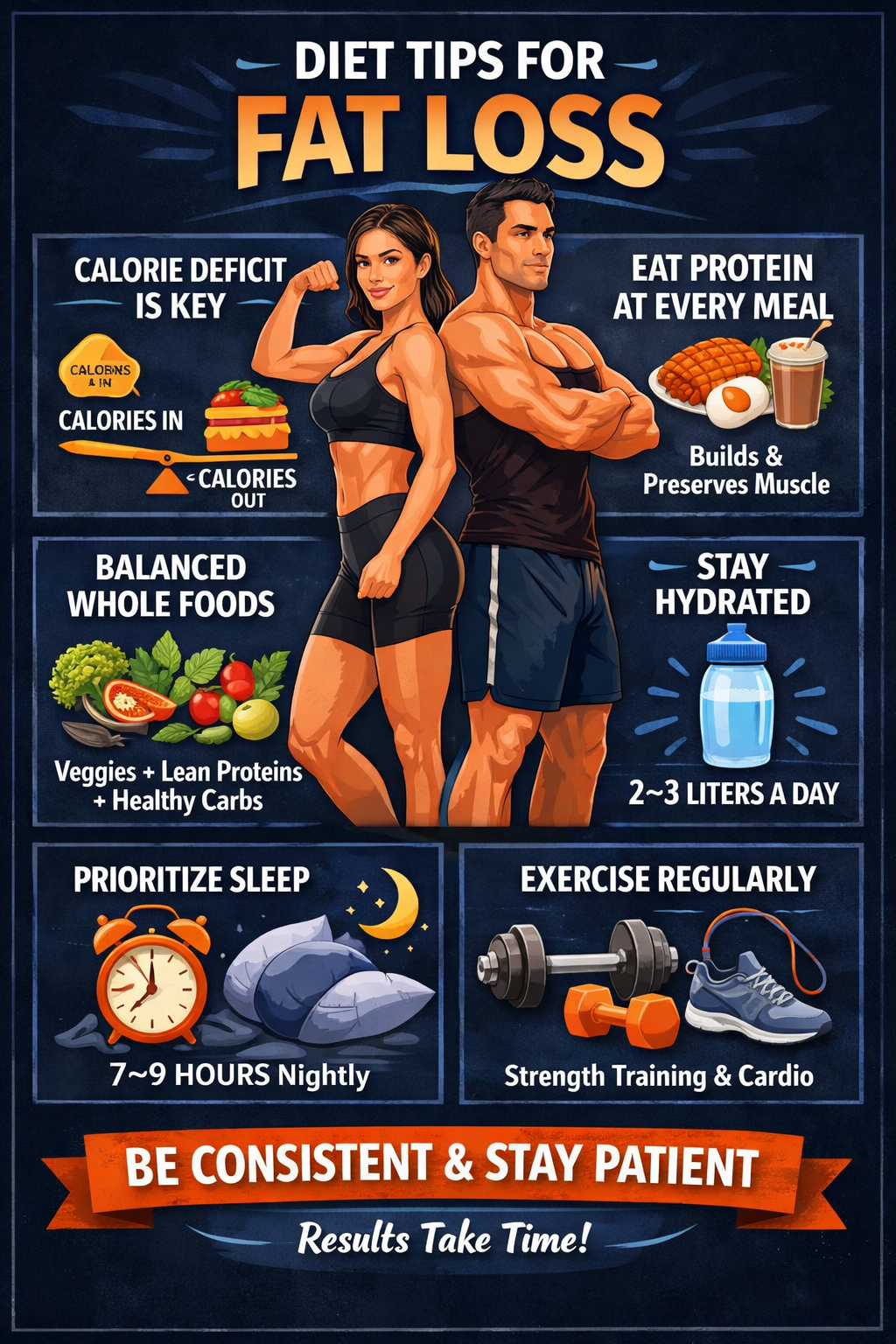
Weight loss meal plans focus on creating a calorie deficit while providing balanced nutrition. These plans typically include:
- Low-calorie meals rich in vegetables, lean proteins, and whole grains
- Smaller portion sizes spread across 4–6 meals per day
- High-fiber foods to promote satiety and reduce overeating
Example: A daily weight loss meal plan might include Greek yogurt with berries for breakfast, grilled chicken salad for lunch, and baked salmon with quinoa and vegetables for dinner.
Muscle Gain Meal Plans
For individuals aiming to build muscle, meal plans prioritize protein intake and a slight calorie surplus. Key elements include:
- High-protein meals (1.2–2g protein per kg of body weight)
- Adequate carbohydrates to fuel workouts and recovery
- Healthy fats to support hormone production
Example: Breakfast could be oatmeal with protein powder and almond butter, lunch grilled chicken with brown rice, and dinner lean beef stir-fry with vegetables.
Special Diet Meal Plans
Many people require meal plans tailored to dietary restrictions or lifestyle choices. Examples include:
- Vegetarian and Vegan Meal Plans: Plant-based proteins, legumes, tofu, tempeh, whole grains, and vegetables
- Keto Meal Plans: Low-carb, high-fat meals designed to induce ketosis
- Paleo Meal Plans: Focus on whole foods, lean meats, fruits, vegetables, nuts, and seeds
- Gluten-Free Meal Plans: For those with celiac disease or gluten sensitivity, avoiding wheat, barley, and rye
Family-Friendly Meal Plans
Families benefit from meal plans that cater to all ages while staying budget-conscious. Key tips include:
- Kid-friendly meals that balance nutrition and taste
- Easy-to-prepare recipes to save time for busy parents
- Flexible meal prepping that allows portions to be adjusted for adults and children
By understanding your dietary needs and lifestyle, you can select the type of meal plan that works best for you. Whether it’s weight loss, muscle gain, special diets, or family-focused meals, a structured meal prep plan ensures consistency and supports your health goals.
Common Meal Planning Mistakes to Avoid
While following a meal plan can be highly effective, many people make mistakes that reduce its effectiveness or make it hard to stick with. Avoiding these common pitfalls ensures that your meal prep plan supports your health and lifestyle goals.
1. Skipping Planning for Snacks or Beverages
Many meal plans focus only on main meals, neglecting snacks and drinks. This can lead to unhealthy choices or excess calorie intake from sugary drinks or processed snacks. Always include healthy snack options like fruits, nuts, or yogurt, and plan for beverages such as water, herbal teas, or low-calorie drinks.
2. Ignoring Portion Sizes
Even healthy foods can contribute to weight gain or imbalanced nutrition if portion sizes aren’t considered. Use measuring cups, food scales, or visual portion guides to maintain proper serving sizes. A meal prep plan with pre-portioned containers can make this easier.
3. Choosing Meals That Are Too Complicated
Overly complex recipes can make sticking to a meal plan stressful and time-consuming. Opt for simple, easy-to-prepare meals that you enjoy. Repeating a few favorite recipes in rotation is better than trying a new complicated dish every day.
4. Not Considering Food Preferences or Allergies
A meal plan that doesn’t align with your tastes, allergies, or intolerances is hard to maintain. Customize your plan to include foods you like and can safely consume, which improves adherence and satisfaction.
5. Overcomplicating Grocery Shopping
A cluttered or disorganized shopping list can lead to missed ingredients or unnecessary purchases. Organize your list by categories—proteins, grains, fruits, vegetables, and pantry staples—to streamline shopping and stay within budget.
Tip: Review your meal plan weekly and adjust as needed. Flexibility is key to long-term success. A meal prep plan that is adaptable allows for changes in schedule, preferences, or unexpected events without disrupting your overall nutrition goals.
By avoiding these common mistakes, your meal plan will be easier to follow, more effective, and sustainable over time. Proper planning, portion control, and personalization are the cornerstones of a successful meal strategy.
Tools and Resources for Meal Planning
Creating and sticking to a meal plan can be much easier with the right tools and resources. Whether you prefer digital solutions, printable templates, or meal delivery services, these options help you save time, stay organized, and maintain consistency with your meal prep plan.
Meal Planning Apps and Software
Modern technology has made meal planning more efficient than ever. Popular apps allow you to:
- Create weekly or monthly meal plans
- Generate grocery lists automatically
- Track calories and macronutrients
- Discover new recipes based on dietary preferences
Examples of useful apps:
- Mealime: Offers customizable meal plans and automated shopping lists
- Yummly: Suggests recipes and allows filtering by dietary needs
- MyFitnessPal: Helps track calories and nutrients alongside meal planning
Printable Meal Plan Templates
For those who prefer a hands-on approach, printable templates are a simple way to organize meals:
- Weekly or monthly grids for planning breakfasts, lunches, dinners, and snacks
- Sections for grocery lists and prep notes
- Easy to display on a fridge or workspace
Printable templates help visualize your plan, reduce decision fatigue, and ensure variety in your meals.
Recipe Websites and Cookbooks
Reliable sources of recipes are essential for building a meal plan:
- Websites like Allrecipes, EatingWell, and BBC Good Food provide healthy, easy-to-follow recipes
- Cookbooks focusing on meal prep, dietary needs, or family-friendly meals can offer inspiration and structure
Grocery Delivery Services
Grocery delivery services save time and reduce the stress of shopping:
- Some services allow you to order ingredients for specific recipes in your meal prep plan
- Delivery ensures access to fresh produce, proteins, and pantry staples without extra effort
Tip: Combine digital tools with meal prep strategies for maximum efficiency. For example, use an app to plan meals, print the shopping list, and prepare meals in bulk at the start of the week.
By leveraging these tools and resources, following a meal plan becomes easier, more organized, and more likely to succeed. Technology and planning aids not only save time but also make it enjoyable to maintain healthy eating habits.
Frequently Asked Questions (FAQ) About Meal Plans
Many people have questions when starting a meal plan, especially if they are new to meal prepping or aiming for specific health goals. Here are some of the most common questions, answered clearly to help you succeed.
1. How often should I create a meal plan?
Most people benefit from planning meals weekly. A weekly meal plan allows flexibility while reducing daily decision fatigue. Some advanced planners may opt for a monthly meal plan for long-term consistency and budgeting.
2. Can I follow a meal plan if I eat out often?
Yes! A meal plan can be flexible. Include options for eating out by pre-planning meals that fit your dietary goals or choosing healthier restaurant options in advance. Portion control and mindful choices are key.
3. How flexible should my meal plan be?
Your meal prep plan should be adaptable. Life is unpredictable, and occasionally swapping meals or ingredients is normal. Flexibility ensures long-term adherence without feeling restricted.
4. Can meal planning help me save money?
Absolutely. Planning meals reduces impulse purchases, minimizes food waste, and allows for bulk buying of staple ingredients. A meal plan can make your grocery shopping more strategic and cost-effective.
5. Is meal planning suitable for beginners?
Yes, meal planning is beginner-friendly. Start simple with a few meals and gradually expand your meal prep plan. Use tools, apps, or printable templates to make the process easier. Over time, it becomes a natural habit that improves your health and lifestyle.
Pro Tip: Keep a list of favorite meals and rotate them weekly. This reduces planning stress and ensures variety without overcomplicating your routine.
By answering these common questions, you can start a meal plan confidently, knowing how to adapt it to your lifestyle and goals. Proper guidance and realistic expectations make meal planning manageable and effective.
Conclusion: Start Your Meal Plan Today for a Healthier, Organized Life
Creating and following a meal plan is one of the most effective ways to take control of your nutrition, save time, and support your health and lifestyle goals. From managing weight and building muscle to reducing stress and improving grocery efficiency, a structured meal prep plan offers tangible benefits that make healthy eating more achievable.
By understanding what a meal plan is, exploring different types tailored to your needs, avoiding common mistakes, and leveraging helpful tools, you can create a system that works for your lifestyle. Remember, consistency and flexibility are key—your meal plan should support your goals without feeling restrictive or overwhelming.
Start with a simple weekly plan, incorporate meals you enjoy, and gradually refine your strategy. As you gain experience, meal planning becomes easier, more efficient, and more rewarding. A well-executed meal plan not only promotes better health but also empowers you with confidence and control over your daily nutrition.
Call to Action: Begin today by drafting your first weekly meal plan, selecting a few favorite recipes, and preparing a shopping list. Small steps now lead to long-term healthy habits and a more organized, stress-free approach to eating.