
What Is a Diet and Fitness Plan?
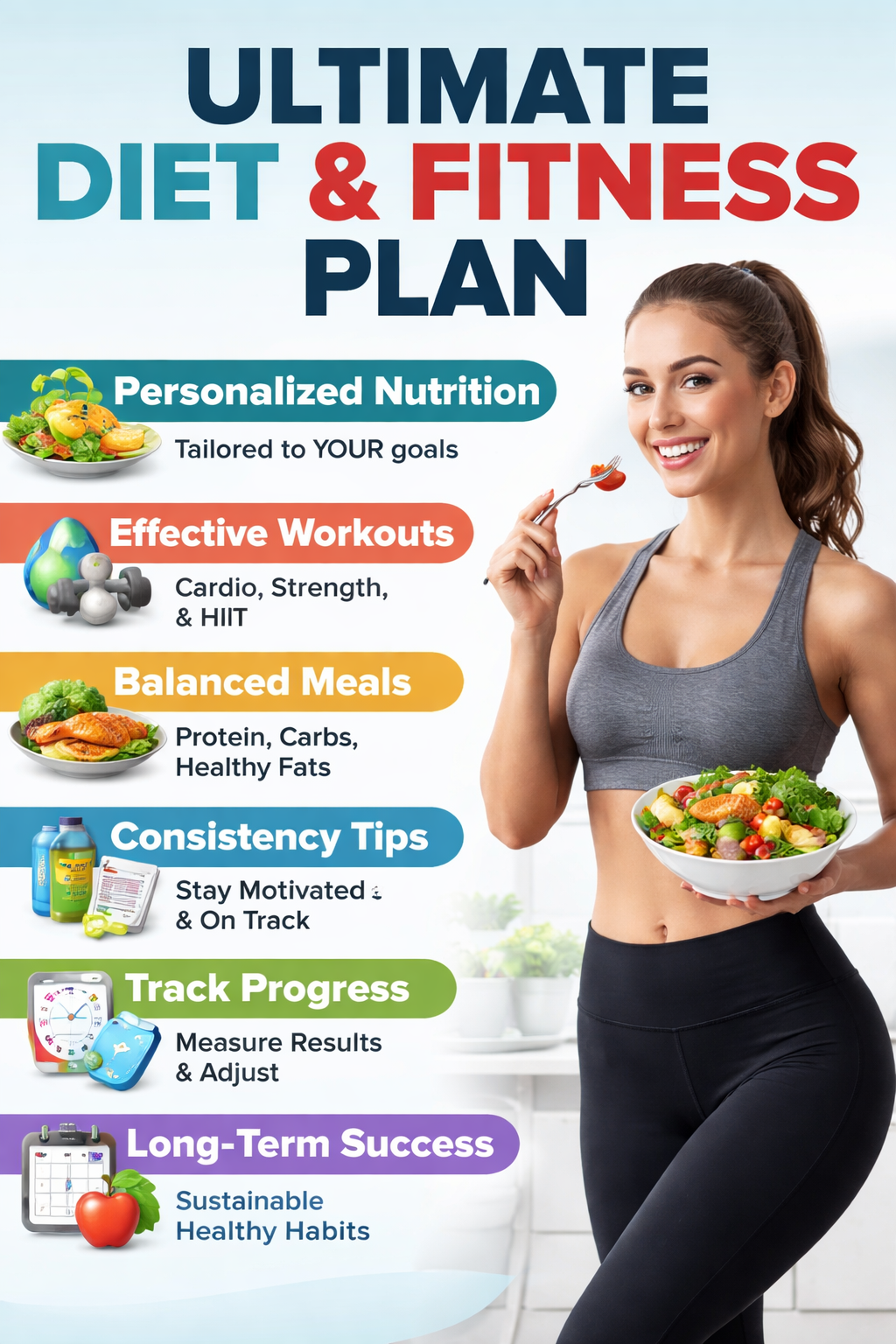
A diet and fitness plan is a structured approach to improving your health, fitness, and overall well-being through nutrition and exercise. It combines a carefully designed eating strategy with a consistent workout routine to help you achieve specific goals, such as weight loss, muscle gain, increased energy, or better cardiovascular health. Unlike generic advice or fad diets, a personalized diet and fitness plan takes into account your lifestyle, body type, and fitness level to create a program that’s both effective and sustainable.
The benefits of following a well-structured diet and fitness plan are numerous. Physically, it helps you build lean muscle, burn fat, strengthen your heart, and improve flexibility. Mentally, regular exercise combined with balanced nutrition enhances mood, reduces stress, and improves cognitive function. Over time, maintaining a consistent diet and fitness plan can also lower the risk of chronic diseases such as diabetes, hypertension, and heart disease.
A successful diet and fitness plan emphasizes balance and consistency. Rather than extreme restrictions or high-intensity exercise that’s hard to maintain, it focuses on healthy eating habits, regular physical activity, and gradual, measurable progress. This approach ensures that the changes you make are not just temporary but become part of a long-term healthy lifestyle.
Key components of an effective diet and fitness plan include:
- Personalized nutrition: Tailored to your goals, body type, and preferences.
- Exercise routine: Structured workouts that combine strength, cardio, and flexibility.
- Progress tracking: Monitoring results to adjust the plan for better outcomes.
- Sustainable habits: Creating routines that are realistic and maintainable over time.
By understanding what a diet and fitness plan is and why it matters, you can make informed decisions about your health and set the foundation for a stronger, healthier version of yourself.
Why You Need a Personalized Diet and Fitness Plan
While generic diet advice and one-size-fits-all workout programs are abundant, they rarely deliver lasting results. A personalized diet and fitness plan is essential because every individual’s body, lifestyle, and goals are unique. What works for your friend or a celebrity influencer may not be effective—or even safe—for you.
The Role of Personal Goals
Your goals determine the structure of your plan. Are you aiming to lose weight, gain muscle, increase endurance, or improve overall health? Each goal requires different nutritional strategies and exercise routines. For example, muscle gain demands higher protein intake and strength-focused workouts, whereas weight loss may emphasize a calorie deficit combined with cardio and resistance training.
Factors Affecting Your Plan
A personalized plan takes into account key factors that influence your success:
- Age: Metabolism naturally slows with age, so nutrient needs and exercise intensity should be adjusted accordingly.
- Gender: Hormonal differences affect fat distribution, muscle building, and energy requirements.
- Lifestyle: Busy schedules, work demands, and sleep patterns impact the feasibility of meal prep and exercise frequency.
- Medical conditions: Conditions such as diabetes, hypertension, or joint problems require specific dietary and exercise modifications.
Common Mistakes of Generic Plans
Many people fail to see results because they follow standard diets or fitness routines without considering their personal needs. Common pitfalls include:
- Overtraining or undertraining due to lack of individualized intensity.
- Inadequate nutrition for your specific energy needs.
- Ignoring personal preferences, leading to poor adherence.
- Neglecting recovery and sleep, which are crucial for sustainable results.
The Advantages of Personalization
A plan tailored to your body and lifestyle improves consistency, enhances results, and reduces the risk of injury or burnout. Personalized plans also foster long-term adherence, turning temporary changes into lasting healthy habits.
In essence, a customized diet and fitness plan empowers you to work with your body, not against it. By aligning your nutrition and workouts with your personal circumstances and objectives, you create a sustainable pathway toward better health, improved fitness, and overall well-being.
Why You Need a Personalized Diet and Fitness Plan
While generic diet advice and one-size-fits-all workout programs are abundant, they rarely deliver lasting results. A personalized diet and fitness plan is essential because every individual’s body, lifestyle, and goals are unique. What works for your friend or a celebrity influencer may not be effective—or even safe—for you.
The Role of Personal Goals
Your goals determine the structure of your plan. Are you aiming to lose weight, gain muscle, increase endurance, or improve overall health? Each goal requires different nutritional strategies and exercise routines. For example, muscle gain demands higher protein intake and strength-focused workouts, whereas weight loss may emphasize a calorie deficit combined with cardio and resistance training.
Factors Affecting Your Plan
A personalized plan takes into account key factors that influence your success:
- Age: Metabolism naturally slows with age, so nutrient needs and exercise intensity should be adjusted accordingly.
- Gender: Hormonal differences affect fat distribution, muscle building, and energy requirements.
- Lifestyle: Busy schedules, work demands, and sleep patterns impact the feasibility of meal prep and exercise frequency.
- Medical conditions: Conditions such as diabetes, hypertension, or joint problems require specific dietary and exercise modifications.
Common Mistakes of Generic Plans
Many people fail to see results because they follow standard diets or fitness routines without considering their personal needs. Common pitfalls include:
- Overtraining or undertraining due to lack of individualized intensity.
- Inadequate nutrition for your specific energy needs.
- Ignoring personal preferences, leading to poor adherence.
- Neglecting recovery and sleep, which are crucial for sustainable results.
The Advantages of Personalization
A plan tailored to your body and lifestyle improves consistency, enhances results, and reduces the risk of injury or burnout. Personalized plans also foster long-term adherence, turning temporary changes into lasting healthy habits.
In essence, a customized diet and fitness plan empowers you to work with your body, not against it. By aligning your nutrition and workouts with your personal circumstances and objectives, you create a sustainable pathway toward better health, improved fitness, and overall well-being.
How to Create an Effective Fitness Plan
A fitness plan complements your diet by helping you burn calories, build muscle, improve endurance, and enhance overall health. An effective plan combines different types of exercises, structured routines, and strategies to stay consistent.
Types of Exercise
Understanding different exercise types helps you design a balanced routine:
- Cardio: Activities like running, cycling, swimming, or brisk walking increase heart rate, burn calories, and improve cardiovascular health. Aim for 150 minutes of moderate-intensity cardio per week.
- Strength Training: Resistance exercises, such as weightlifting, bodyweight exercises, or resistance bands, build lean muscle, boost metabolism, and improve bone density. Target all major muscle groups 2–3 times per week.
- Flexibility and Mobility: Stretching, yoga, and Pilates improve range of motion, prevent injuries, and aid recovery. Incorporate short stretching sessions daily or post-workout.
- HIIT (High-Intensity Interval Training): Short bursts of intense exercise followed by rest periods. HIIT is highly effective for burning fat, improving endurance, and saving time. Example: 30 seconds of sprinting followed by 60 seconds of walking, repeated for 15–20 minutes.
Designing a Weekly Workout Routine
A sample weekly routine for balanced fitness:
| Day | Workout Focus | Duration |
|---|---|---|
| Monday | Cardio + Core | 45 min |
| Tuesday | Upper Body Strength | 60 min |
| Wednesday | Active Recovery / Yoga | 30 min |
| Thursday | Lower Body Strength | 60 min |
| Friday | HIIT + Core | 30–40 min |
| Saturday | Full-Body Strength + Cardio | 60 min |
| Sunday | Rest / Light Stretching | 20 min |
Beginners can start with shorter sessions and gradually increase intensity and volume. Adjust based on goals, fitness level, and recovery ability.
Tips to Stay Consistent with Workouts
Consistency is often the biggest challenge. Try these strategies:
- Set realistic goals: Focus on small, achievable milestones instead of drastic changes.
- Schedule workouts: Treat exercise like an important appointment.
- Track progress: Use a journal or app to record workouts, reps, and improvements.
- Find a workout buddy: Accountability and motivation increase adherence.
- Mix it up: Vary exercises to prevent boredom and plateau.
A well-designed fitness plan works in synergy with your diet plan, ensuring that your body gets the right fuel, builds muscle efficiently, and stays energized. The combination of cardio, strength training, flexibility, and HIIT allows you to improve overall fitness while preventing injuries and maintaining motivation.
Combining Diet and Fitness for Maximum Results
While diet and exercise are effective individually, their true power emerges when combined into a well-structured plan. A synchronized diet and fitness plan ensures your body gets the nutrients it needs to perform, recover, and adapt, resulting in better results in less time.
How Nutrition Impacts Workout Performance
The food you eat directly affects your energy, endurance, and strength. Key points:
- Carbohydrates are your body’s primary fuel source for high-intensity workouts. Consuming complex carbs like oats, brown rice, and sweet potatoes ensures sustained energy.
- Proteins support muscle repair and growth. Eating protein-rich meals or snacks before and after workouts maximizes recovery.
- Fats provide long-term energy, especially for moderate-intensity or longer-duration workouts. Healthy fats like nuts, avocado, and olive oil are ideal.
Skipping meals or eating the wrong foods can result in fatigue, reduced strength, and slower progress.
How Workouts Affect Nutrient Requirements
Your exercise routine influences what and how much you need to eat:
- Strength training increases protein needs to repair and build muscle.
- Cardio-heavy routines increase calorie and carbohydrate requirements for sustained energy.
- HIIT or endurance training may require additional hydration and electrolytes to prevent fatigue and cramping.
Adjusting your diet according to your workout schedule ensures your body recovers properly and continues progressing.
Timing Meals Around Workouts
Meal timing can enhance results:
- Pre-workout: Eat a meal rich in carbs and moderate protein 1–2 hours before exercising. This fuels energy and prevents fatigue. Example: oatmeal with banana and a scoop of protein powder.
- Post-workout: Consume a combination of protein and carbs within 30–60 minutes after exercise to repair muscles, replenish glycogen stores, and reduce soreness. Example: grilled chicken with sweet potato and vegetables.
Synergy Between Diet and Fitness
A coordinated diet and fitness plan produces benefits that neither could achieve alone:
- Faster fat loss and muscle gain.
- Improved energy levels and workout performance.
- Better hormonal balance, immunity, and mental focus.
- Reduced risk of injuries and overtraining.
By aligning your nutrition with your fitness routine, you create a holistic approach that maximizes results, improves health, and helps you stay consistent long-term.
Common Challenges and How to Overcome Them
Even with the best diet and fitness plan, challenges can arise that prevent progress. Understanding these obstacles and having strategies to overcome them ensures long-term success and sustainability.
1. Lack of Time or Motivation
Many people struggle to stick to a plan due to busy schedules or low motivation. Solutions include:
- Short, efficient workouts: High-intensity interval training (HIIT) or 20–30 minute strength sessions can be as effective as longer workouts.
- Plan ahead: Meal prep on weekends and schedule workouts like appointments.
- Set achievable goals: Small milestones (like adding an extra 10 minutes of exercise or including one extra serving of vegetables) keep you motivated.
2. Plateaus in Weight Loss or Muscle Gain
Progress sometimes stalls, which can be frustrating. Ways to overcome plateaus:
- Adjust calorie intake: Ensure your diet aligns with current goals. Weight loss may require a slight calorie deficit, while muscle gain may need more protein and carbs.
- Change your workout routine: Swap exercises, increase intensity, or add more resistance.
- Track your progress: Journals or apps help identify patterns and areas needing improvement.
3. Avoiding Injuries and Overtraining
Injuries can derail your plan if not managed carefully. Tips to stay safe:
- Warm-up and cool-down: Spend 5–10 minutes warming up before workouts and stretching afterward.
- Listen to your body: Rest if you feel pain or extreme fatigue.
- Progress gradually: Increase weights, intensity, or workout duration slowly to prevent strain.
4. Maintaining Healthy Eating Habits
Dietary consistency can be difficult with social events, cravings, or busy schedules. Strategies include:
- Meal prep and planning: Prepare healthy meals and snacks in advance.
- Healthy substitutions: Replace high-calorie or processed foods with nutrient-dense alternatives.
- Moderation, not deprivation: Occasional indulgences prevent binge eating and maintain sustainability.
5. Staying Mentally Resilient
Fitness and diet challenges are as much mental as physical. Boost resilience with:
- Mindfulness practices: Meditation or journaling can reduce stress-related eating.
- Support networks: Friends, family, or online communities provide accountability.
- Celebrate small wins: Recognizing progress keeps motivation high.
By proactively addressing these common challenges, a diet and fitness plan becomes more manageable, enjoyable, and sustainable, leading to long-term health improvements and better results.
Tracking Progress in Your Diet and Fitness Plan
Tracking your progress is a crucial part of any diet and fitness plan. It allows you to measure results, identify areas for improvement, and stay motivated as you work toward your goals. Without tracking, it’s easy to lose focus or continue habits that aren’t effective.
Measuring Body Composition vs. Just Weight
While the scale provides a quick reference, it doesn’t tell the whole story. Focus on:
- Body fat percentage: Helps track fat loss versus muscle gain. Tools: calipers, smart scales, or professional body scans.
- Muscle mass: Monitoring increases in muscle ensures your strength training is effective.
- Measurements: Track waist, hip, chest, arm, and leg circumferences to notice changes even when weight is stable.
This approach provides a more accurate picture of overall fitness and health improvements than relying on weight alone.
Using Apps and Journals to Track Meals and Workouts
Technology makes tracking easier:
- Fitness apps: MyFitnessPal, Cronometer, or Fitbit can log calories, macronutrients, and workouts.
- Workout journals: Record exercises, reps, weights, and times to monitor strength progression.
- Photo progress: Weekly photos provide visual motivation and show subtle changes not seen on the scale.
Adjusting Your Plan Based on Progress
Tracking results allows you to adapt your diet and fitness plan:
- If fat loss stalls, evaluate calorie intake, macronutrient balance, or cardio frequency.
- If muscle gain slows, adjust protein intake, resistance training intensity, or rest periods.
- If energy is low, check hydration, meal timing, and micronutrient intake.
Regular monitoring ensures your plan evolves with your body and goals, keeping progress consistent and effective.
Benefits of Tracking
- Improves accountability and motivation
- Highlights successful strategies and areas needing change
- Prevents plateaus by allowing timely adjustments
- Reinforces a sense of accomplishment as milestones are achieved
By tracking your diet and fitness plan, you stay in control, make data-driven adjustments, and maximize results efficiently.
Tips for Long-Term Success
Achieving results from a diet and fitness plan is just the beginning; maintaining those results requires long-term commitment, sustainable habits, and a balanced mindset. The following strategies ensure that your progress lasts a lifetime.
1. Make Diet and Fitness a Lifestyle
Instead of viewing your plan as a temporary fix, integrate it into your daily routine:
- Choose nutrient-dense foods you enjoy rather than forcing extreme diets.
- Schedule workouts as part of your weekly routine, making them non-negotiable appointments.
- Focus on progress, not perfection; small, consistent improvements add up over time.
2. Build Consistent Habits
Habits are the foundation of long-term success. Examples:
- Meal prepping: Saves time and prevents unhealthy choices.
- Regular sleep: 7–9 hours per night optimizes recovery and energy.
- Daily movement: Even short walks or stretching sessions help maintain activity levels.
3. Mindset and Motivation
Your mindset determines your ability to stay consistent:
- Set achievable goals: Focus on realistic milestones rather than extreme expectations.
- Celebrate small wins: Recognize progress in strength, endurance, or nutrition adherence.
- Stay flexible: Life events may disrupt routines; adaptability is key to long-term adherence.
4. Accountability and Support
Having a support system improves adherence and motivation:
- Workout with a friend, join fitness communities, or hire a coach for guidance.
- Share goals with family or friends to create accountability.
- Track and review progress regularly to reinforce commitment.
5. Adjust and Evolve Your Plan
Your body and goals will change over time. Update your plan periodically:
- Increase workout intensity or change exercises to prevent plateaus.
- Adjust calorie intake as weight, muscle mass, or activity level changes.
- Explore new recipes and meal ideas to avoid monotony and keep nutrition exciting.
By implementing these strategies, your diet and fitness plan becomes sustainable, not just a short-term project. Over time, these habits contribute to improved health, increased strength, higher energy levels, and overall well-being.
Frequently Asked Questions About Diet and Fitness Plans
Even with a well-structured diet and fitness plan, people often have common questions about how to maximize results, stay safe, and adapt routines to their needs. Here are clear answers to the most frequent concerns:
1. How Quickly Can I See Results?
Results vary depending on your goals, consistency, and starting point:
- Weight loss: Typically noticeable within 3–6 weeks with consistent diet and exercise.
- Muscle gain: Visible changes may take 6–12 weeks, depending on workout intensity and protein intake.
- Improved fitness: Energy levels and endurance improvements can be felt within 2–4 weeks.
Consistency and patience are key—rapid results are rare and often unsustainable.
2. Can I Follow a Diet and Fitness Plan With Dietary Restrictions?
Yes. Plans can be tailored for:
- Vegetarian or vegan diets by using plant-based proteins like tofu, tempeh, lentils, and nuts.
- Food allergies or intolerances by substituting safe alternatives (e.g., gluten-free grains, lactose-free dairy).
- Medical conditions by consulting a dietitian or healthcare professional for specific recommendations.
Customization ensures you achieve results safely without compromising health.
3. How Do I Balance Cardio and Weight Training?
- For weight loss: Combine cardio with strength training 3–5 times per week. Cardio helps burn calories, while strength training preserves lean muscle.
- For muscle gain: Prioritize resistance training and include moderate cardio 1–3 times per week to maintain cardiovascular health.
- For overall fitness: Alternate cardio and strength sessions, incorporating flexibility and mobility exercises.
4. Should I Take Supplements?
Supplements can help, but they are not a replacement for a balanced diet:
- Protein powders: Convenient for meeting daily protein needs.
- Multivitamins: Fill nutritional gaps if diet lacks variety.
- Creatine: Supports strength and muscle gain when combined with resistance training.
Always consult a healthcare professional before starting new supplements.
5. How Can I Stay Motivated Long-Term?
- Set short-term milestones and celebrate achievements.
- Track progress using journals, apps, or photos.
- Join a fitness community or find a workout partner.
- Focus on how exercise and nutrition make you feel, not just how you look.
Answering these common questions removes uncertainty, builds confidence, and helps you stay consistent and committed to your diet and fitness plan.
Conclusion
A well-structured diet and fitness plan is the cornerstone of achieving and maintaining better health, improved fitness, and overall well-being. By combining personalized nutrition, consistent exercise, and sustainable habits, you create a roadmap that delivers real, long-term results.
The key takeaways are:
- Personalization matters: Tailor your plan to your goals, body type, lifestyle, and preferences for maximum effectiveness.
- Balance diet and exercise: Nutrition fuels your workouts, while exercise enhances the benefits of your diet.
- Consistency over perfection: Small, sustainable changes lead to long-lasting results.
- Track and adjust: Regularly monitor progress and tweak your plan to continue improving.
- Stay motivated: Celebrate milestones, seek support, and focus on how your body feels, not just how it looks.
Starting your journey may feel overwhelming, but taking the first step today—even small changes in your diet or incorporating a simple workout—sets the foundation for a healthier, stronger you. Remember, the most effective diet and fitness plan is one that fits seamlessly into your life and evolves with you.
Start your personalized diet and fitness plan today, and take control of your health, energy, and future.