
Ultimate Guide to Setting and Achieving Your Weight Loss Goals
Weight loss is a journey that goes beyond just stepping on the scale. Setting weight loss goals is the foundation for creating lasting changes in your health and fitness. Goals provide structure, motivation, and a clear roadmap for your journey. Without well-defined targets, it’s easy to get lost in fad diets, inconsistent workouts, or unrealistic expectations.
Whether your aim is to lose a few pounds, reduce body fat, or achieve a healthier lifestyle, understanding how to set and achieve your weight loss goals can make the difference between temporary results and long-term success. In this guide, we’ll explore everything from defining realistic targets, creating actionable strategies, overcoming obstacles, and maintaining your progress for the long term.
By the end of this post, you’ll not only know how to set SMART weight loss goals but also gain practical insights into nutrition, exercise, lifestyle habits, and tracking methods that help you succeed. This guide is designed to provide comprehensive, evidence-based advice in a simple and actionable format for anyone looking to achieve their weight loss goals effectively.
Understanding Weight Loss Goals
Before setting your weight loss goals, it’s crucial to understand what they are and why they matter. A weight loss goal is a measurable target that guides your health and fitness journey. It can be as simple as losing 5 pounds in a month or as complex as lowering your body fat percentage while building muscle. Clear goals help you stay focused, track progress, and maintain motivation.
Types of Weight Loss Goals: Short-Term vs. Long-Term
- Short-Term Goals: These are achievable within a few weeks to a couple of months, like losing 2–5 pounds in a month or exercising 3 times a week. Short-term goals help build momentum and create early successes.
- Long-Term Goals: These take several months to years and focus on major health milestones, like reaching your ideal weight, lowering cholesterol levels, or maintaining a sustainable fitness routine.
Realistic vs. Unrealistic Weight Loss Goals
Setting unrealistic goals can lead to frustration and disappointment. For example, aiming to lose 20 pounds in two weeks is unhealthy and unsustainable. Experts recommend a safe weight loss rate of 1–2 pounds per week. Realistic goals prioritize health and gradual, sustainable changes rather than rapid results.
Common Myths About Weight Loss Goals
- Myth 1: “Skipping meals accelerates weight loss.” → In reality, skipping meals can slow metabolism and lead to overeating later.
- Myth 2: “All calories are created equal.” → Nutrient quality matters; 200 calories of soda is not the same as 200 calories of protein and veggies.
- Myth 3: “Exercise alone is enough to lose weight.” → While exercise is vital, nutrition and lifestyle habits play an equally important role.
Understanding these basics sets the stage for creating effective weight loss goals that are achievable, healthy, and sustainable.
Strategies to Achieve Your Weight Loss Goals
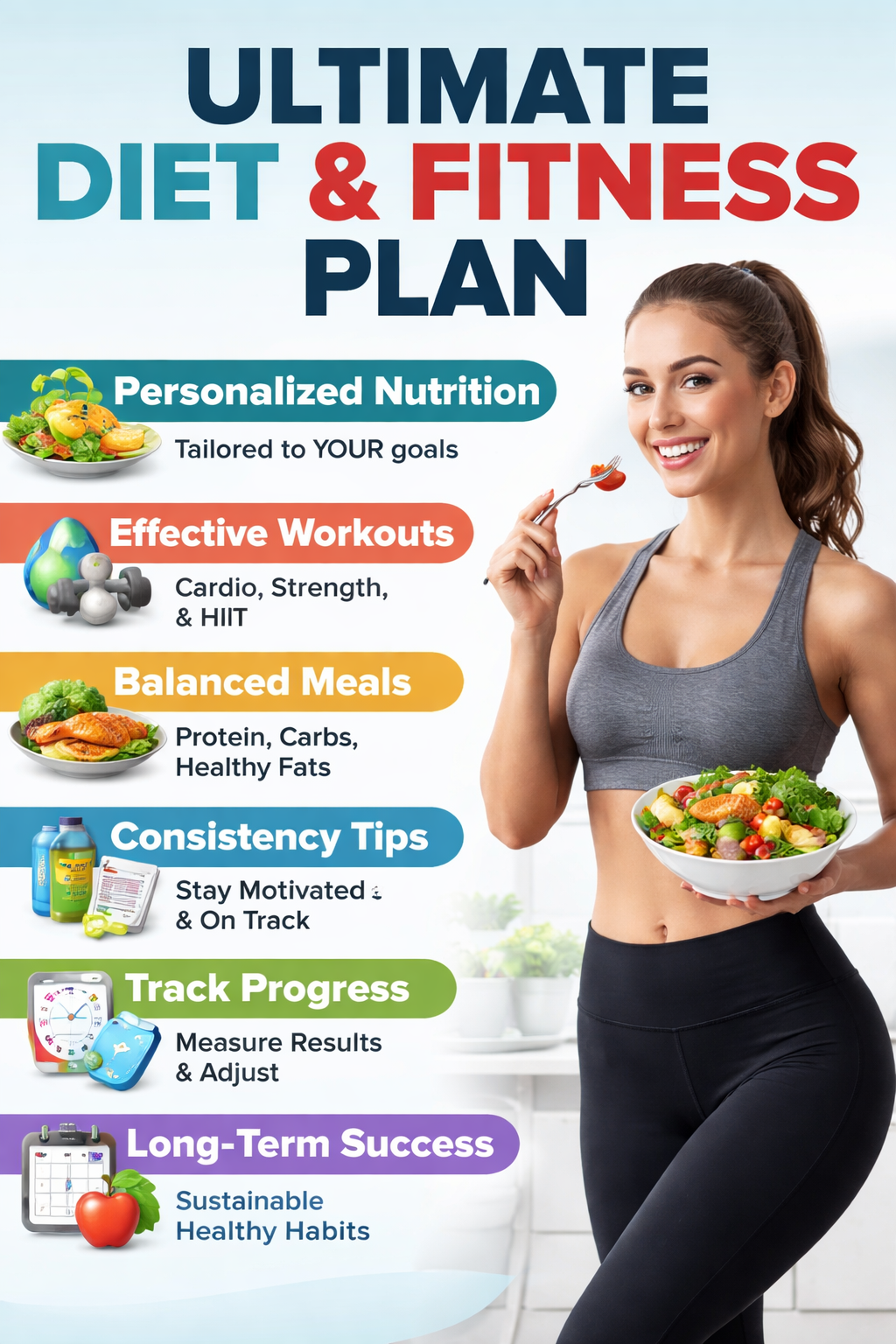
Achieving weight loss goals requires more than just setting them—it demands a combination of proper nutrition, regular physical activity, and healthy lifestyle habits. Implementing a structured, sustainable approach increases your chances of long-term success. Below, we break down the most effective strategies in detail.
Nutrition and Diet
Nutrition is the cornerstone of any weight loss plan. Even the most intense workouts cannot compensate for poor eating habits. A well-balanced diet fuels your body, supports metabolism, and ensures fat loss without sacrificing health.
Key principles for effective weight loss nutrition:
- Eat lean proteins: Chicken, fish, tofu, and legumes help preserve muscle mass while promoting fat loss.
- Include plenty of vegetables and fruits: High in fiber, vitamins, and minerals, they keep you full and satisfied.
- Choose whole grains: Brown rice, oats, and quinoa provide slow-digesting carbs for steady energy.
- Limit processed foods and sugar: Processed snacks, sugary drinks, and refined carbs contribute to fat gain.
- Practice portion control: Use smaller plates, measure servings, and be mindful of calorie-dense foods.
Example Meal Plan for Weight Loss Goals:
| Meal | Example Foods | Purpose |
|---|---|---|
| Breakfast | Oatmeal with berries and Greek yogurt | Fiber & protein to start the day |
| Snack | Almonds or carrot sticks | Healthy fats and fiber |
| Lunch | Grilled chicken salad with mixed greens | Lean protein + micronutrients |
| Snack | Apple with peanut butter | Energy & satiety |
| Dinner | Baked salmon with quinoa and steamed broccoli | Protein, carbs, and vitamins |
| Drink | Water, green tea | Hydration & metabolism |
Studies show that individuals who plan meals and track food intake are 30% more likely to meet their weight loss goals.
Exercise and Physical Activity
Exercise is a critical component of weight loss. While diet controls the majority of fat loss, physical activity helps maintain lean muscle, boosts metabolism, and improves cardiovascular health.
Best exercises for weight loss goals:
- Cardio (aerobic) exercises: Running, cycling, swimming, and brisk walking burn calories effectively.
- Strength training: Weight lifting, resistance bands, and bodyweight exercises build muscle, which increases resting metabolism.
- High-Intensity Interval Training (HIIT): Short bursts of intense exercise followed by recovery periods maximize calorie burn in less time.
Recommended Frequency:
- Cardio: 150–300 minutes per week (moderate intensity)
- Strength Training: 2–3 times per week, targeting major muscle groups
- Flexibility/Recovery: Yoga or stretching 2–3 times per week
Combining exercise with proper nutrition amplifies fat loss. For instance, studies indicate that combining a calorie-controlled diet with strength training results in greater fat loss and muscle preservation than diet alone.
Lifestyle Habits
Lifestyle choices beyond diet and exercise also significantly influence your ability to reach weight loss goals.
Essential habits for success:
- Sleep: Aim for 7–9 hours per night. Poor sleep disrupts hormones like ghrelin and leptin, which control hunger and satiety.
- Stress management: Chronic stress raises cortisol, a hormone that promotes fat storage, especially around the abdomen. Techniques include meditation, deep breathing, or journaling.
- Hydration: Drinking sufficient water supports metabolism, reduces appetite, and aids digestion. Aim for at least 2 liters per day.
- Track habits: Logging meals, workouts, sleep, and moods helps identify patterns and areas for improvement.
Adopting these habits alongside diet and exercise creates a holistic approach that maximizes the likelihood of achieving weight loss goals sustainably.
Success in weight loss is rarely about perfection—it’s about consistency. Combining nutrition, exercise, and lifestyle adjustments is the most effective strategy for achieving and maintaining your weight loss goals. Common Challenges in Reaching Weight Loss Goals
Even with well-defined weight loss goals and structured strategies, many people encounter obstacles that slow progress or cause frustration. Understanding these challenges and learning how to overcome them is crucial for long-term success.
Weight Loss Plateaus and How to Overcome Them
A weight loss plateau occurs when your body adapts to your current diet and exercise routine, causing weight loss to stall. This is a common challenge, even for people who have been consistent.
Strategies to overcome plateaus:
- Adjust calorie intake: Ensure you’re still in a slight calorie deficit.
- Vary workouts: Introduce new exercises or increase intensity to challenge your body.
- Focus on strength training: Building muscle boosts metabolism and helps burn fat.
- Track progress beyond the scale: Body measurements or clothing fit may reveal changes even when weight is stagnant.
Research shows that switching up workout routines every 4–6 weeks can prevent plateaus and maintain fat loss.
Staying Motivated During Setbacks
Motivation naturally fluctuates over time, and setbacks are normal. Key strategies to stay on track include:
- Setting small, achievable milestones and celebrating them.
- Using visual reminders, like progress photos or charts.
- Finding a workout buddy or joining a support group.
- Focusing on health benefits beyond weight, such as improved energy or better sleep.
Quote: “Weight loss is not a linear journey; it’s a series of small victories that lead to lifelong health.”
Dealing with Social Pressures and Eating Out
Social events, restaurants, and gatherings can make it difficult to stick to your weight loss goals. Practical tips include:
- Reviewing menus online before dining out and choosing healthier options.
- Eating a small, balanced snack before social events to reduce overeating.
- Practicing mindful eating by slowing down and savoring each bite.
- Politely declining foods that don’t fit your goals while still enjoying the event.
Understanding Emotional Eating
Many people turn to food in response to stress, boredom, or negative emotions. Recognizing emotional eating patterns is key to maintaining progress:
- Keep a food journal to identify triggers.
- Replace food with non-caloric stress relievers, such as walking, meditation, or hobbies.
- Seek professional support if emotional eating is persistent or linked to mental health issues.
Addressing emotional eating not only supports weight loss but also fosters a healthier relationship with food for life.
By acknowledging these challenges and proactively developing strategies, you can maintain momentum and continue making progress toward your weight loss goals, even when obstacles arise.
Tools and Techniques to Track Your Progress
Tracking your progress is a key factor in successfully achieving weight loss goals. It not only helps measure results but also provides motivation and insight into what’s working—or what needs adjustment. Monitoring progress with the right tools ensures your efforts are efficient, consistent, and sustainable.
Weight Tracking Apps and Tools
Technology makes it easier than ever to monitor your weight loss journey. Popular apps like MyFitnessPal, Lose It!, and Cronometer allow you to:
- Log daily food intake and calories
- Track macronutrients (proteins, fats, carbs)
- Set and monitor weekly and monthly weight targets
- Access personalized recommendations
These apps also offer visual progress charts that make it easier to see trends over time, keeping you motivated even during plateaus.
Fitness Trackers and Smartwatches
Wearable devices such as Fitbit, Apple Watch, or Garmin help track activity levels and calories burned. Benefits include:
- Monitoring daily steps, heart rate, and active minutes
- Reminders to move or exercise throughout the day
- Setting activity goals aligned with your weight loss plan
Data Insight: Research shows that people who track their daily activity with wearable devices lose 1.5–2 times more weight than those who don’t.
Journaling Meals and Workouts
A simple notebook or digital journal can be highly effective. Writing down meals, workouts, and emotions allows you to:
- Identify patterns in eating and exercise
- Pinpoint triggers for overeating or skipped workouts
- Track adherence to your weight loss plan over time
Combine journaling with progress photos for a more comprehensive view of your transformation.
Measuring Progress Beyond the Scale
Weight alone doesn’t tell the full story. Consider other metrics:
- Body measurements: Waist, hips, thighs, and arms
- Body fat percentage: More accurate indicator of fat loss vs. muscle loss
- Energy levels: Improved stamina and reduced fatigue
- Clothing fit: Often the most motivating real-world measure
Focusing solely on the scale can be misleading. Many people gain muscle while losing fat, resulting in minimal weight change but noticeable body composition improvements.
Maintaining Your Weight Loss Goals Long-Term
Reaching your weight loss goals is only part of the journey—maintaining them is where the real challenge lies. Without a sustainable plan, many people experience weight regain after initial success. Long-term maintenance requires a combination of healthy habits, consistency, and mindset shifts.
Transitioning from Weight Loss to Weight Maintenance
After reaching your target weight, it’s important to gradually adjust your plan to maintain results without losing progress:
- Slowly increase calorie intake to a maintenance level rather than returning to old eating habits.
- Continue regular physical activity, focusing on a mix of cardio, strength, and flexibility exercises.
- Set maintenance goals such as “stay within ±2 pounds of target weight” to keep yourself accountable.
Preventing Weight Regain
Weight regain is common, but it can be minimized with consistent strategies:
- Keep tracking: Even periodic monitoring of weight, diet, and activity helps you catch trends early.
- Maintain healthy routines: Don’t abandon meal planning or workouts after reaching your goal.
- Stay mindful: Avoid mindless eating and practice portion control even during social events.
- Build support networks: Friends, family, or online communities can help you stay motivated.
Case Study: A study published in the American Journal of Clinical Nutrition found that participants who maintained food diaries and regular exercise routines were 70% more likely to keep weight off after one year.
Adopting a Sustainable Lifestyle
Long-term success comes from lifestyle changes rather than temporary diets. Key habits include:
- Balanced, flexible eating that includes favorite foods in moderation
- Regular physical activity that you enjoy
- Adequate sleep and stress management
- Ongoing goal-setting to challenge yourself and prevent stagnation
The goal is not perfection but consistency—making healthy choices most of the time rather than being restrictive all the time.
Celebrating Milestones and Staying Accountable
Acknowledging your achievements helps reinforce motivation:
- Celebrate non-scale victories like improved endurance, strength gains, or better sleep.
- Reward yourself with experiences rather than food, such as a new workout outfit or a spa day.
- Review and adjust goals regularly to keep your journey engaging and sustainable.
By adopting these strategies, you turn your weight loss goals into a long-term lifestyle, ensuring lasting health benefits and personal satisfaction.
Frequently Asked Questions About Weight Loss Goals
Even with a solid plan, people often have common questions about weight loss goals. Answering these questions provides clarity, reduces confusion, and helps individuals stay on track with their health journey.
How much weight can I safely lose in a month?
Health experts recommend a safe and sustainable weight loss rate of 1–2 pounds per week, which equals roughly 4–8 pounds per month. Losing weight faster than this can result in muscle loss, nutrient deficiencies, and potential health risks. Consistency and gradual progress are key for long-term success.
Should I focus on fat loss or just weight loss?
Focusing solely on weight can be misleading. It’s more effective to target fat loss while preserving lean muscle. This improves body composition, metabolism, and overall health. Incorporating strength training alongside a balanced diet helps maximize fat loss while maintaining muscle mass.
How do I stay motivated to reach my weight loss goals?
Staying motivated is often the hardest part of the weight loss journey. Effective strategies include:
- Breaking large goals into smaller milestones
- Tracking progress visually with charts or photos
- Rewarding yourself for consistency rather than just results
- Finding a support system like friends, family, or online communities
- Focusing on non-scale benefits such as better sleep, energy, and confidence
Are supplements necessary for achieving weight loss goals?
Supplements are not required for weight loss and should never replace a balanced diet. Some may help support metabolism or nutrient intake, such as:
- Protein powders to meet daily protein requirements
- Fiber supplements to improve satiety
- Multivitamins to prevent deficiencies
Always consult a healthcare professional before adding supplements to your plan.
Can I still eat my favorite foods while working on weight loss?
Yes! Incorporating favorite foods in moderation helps prevent feelings of deprivation and promotes long-term adherence. Strategies include:
- Practicing portion control
- Using calorie budgeting to fit treats into your daily intake
- Focusing on the overall quality of your diet rather than perfection
Flexibility and balance are key to achieving sustainable weight loss goals without feeling restricted.
Conclusion
Setting and achieving weight loss goals is a journey that combines careful planning, consistent action, and a focus on overall health. From defining realistic and SMART goals to implementing effective strategies in nutrition, exercise, and lifestyle habits, each step builds a foundation for lasting success.
Remember, progress is not always linear—plateaus, setbacks, and challenges are normal. The key is to stay consistent, track your progress, and make adjustments as needed. Tools like apps, journals, and fitness trackers can provide valuable feedback and keep you motivated along the way.
Ultimately, reaching your weight loss goals is about more than just a number on the scale. It’s about improving your health, energy, confidence, and overall quality of life. By adopting sustainable habits, celebrating milestones, and maintaining accountability, you can transform temporary achievements into long-term results.
Call to Action: Start today by defining your first SMART weight loss goal. Take small, consistent steps, and watch how these positive changes accumulate over time to help you achieve your ultimate weight loss goals.