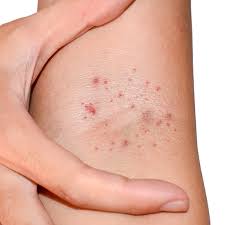

Keratin plugs are one of the most commonly misunderstood skin concerns. Often mistaken for blackheads, whiteheads, or acne, they can cause cosmetic frustration, particularly when they appear in clusters on the face, arms, or back. In this in-depth guide, we’ll explore what keratin plugs are, why they form, how to treat them, and what steps you can take to prevent them from coming back.
Understanding Keratin Plugs
What Are Keratin Plugs?
Keratin plugs—also known as keratotic plugs, clogged pores, or skin plugs—are small, hard, often invisible bumps that form when keratin, a natural protein in the skin, becomes trapped inside a hair follicle. Unlike blackheads or whiteheads, which are formed by excess oil and dead skin cells, keratin plugs are primarily made of hardened keratin.
Dermatologist Insight:
“Keratin plugs are not acne, but they can look similar. They occur when keratin builds up inside pores, often without inflammation.”
— Dr. Rachel Nazarian, MD, FAAD
Key Characteristics of Keratin Plugs:
| Feature | Keratin Plugs | Blackheads | Whiteheads |
|---|---|---|---|
| Color | Flesh-colored or white | Dark/black surface | White bump |
| Composition | Keratin (skin protein) | Oil + dead skin | Oil + dead skin |
| Pain/Inflammation | Usually painless | Can be mildly irritated | Often inflamed |
| Location | Face, arms, thighs, back | Nose, T-zone | Chin, cheeks |
These plugs can appear as tiny rough bumps, especially on the upper arms, buttocks, face, and legs. Some people describe the texture as “chicken skin,” particularly when these plugs are part of a larger condition known as keratosis pilaris.
What Do Keratin Plugs Look Like?
Visually, keratin plugs can be subtle. You might not even notice them until you run your hand over your skin. They’re typically:
- Small, grainy, or gritty
- Flesh-colored or slightly white
- Clustered in patches (especially on arms or thighs)
- Non-inflamed and non-painful
In more stubborn cases, they may look like small white dots in the pores or hardened plugs that resemble tiny grains of sand.
Some individuals may also experience enlarged pores or a rough skin texture in the affected areas, leading them to confuse keratin plugs with blackheads or acne.
Are Keratin Plugs the Same as Acne?
No, keratin plugs are not the same as acne, though they can coexist. Acne is caused by oil (sebum) mixing with dead skin cells and bacteria, leading to inflammation and sometimes pus-filled pimples. Keratin plugs, on the other hand, are simply non-inflammatory buildups of keratin.
However, keratin plugs can sometimes become infected or inflamed, especially if picked or squeezed, potentially leading to acne-like symptoms. This is why identifying the underlying cause is important before applying acne treatments that may dry or irritate the skin further.
Fact:
According to a study published in the Journal of the American Academy of Dermatology, over 40% of adults experience some form of follicular keratin buildup, often without realizing it.
Common Terms for Keratin Plugs
When researching or discussing keratin plugs, you may encounter related or interchangeable terms, including:
- Keratosis Pilaris: A condition associated with widespread keratin plugs, especially on arms and legs.
- Follicular Keratosis: Another term describing keratin build-up in the hair follicle.
- Sebaceous Filaments: Though different, sometimes confused with keratin plugs.
- Clogged Pores: A more general phrase often used by non-specialists to describe skin congestion.
Understanding these terms can help you navigate skincare advice and product labels more effectively.
FAQ: Understanding Keratin Plugs
Q: Are keratin plugs permanent?
A: No, they can be treated and prevented with the right skincare. However, chronic conditions like keratosis pilaris may require long-term management.
Q: Do keratin plugs hurt?
A: Usually, they are painless. If they hurt or become inflamed, this could indicate an infection or another skin issue.
Q: Can you see keratin plugs with the naked eye?
A: Sometimes. They may look like small white dots or just feel rough when you run your hand over your skin.
Causes of Keratin Plugs
Keratin plugs may look simple on the surface, but their formation is the result of a complex interplay between your skin’s natural biology, external environmental triggers, and daily habits. Understanding the root causes is key to managing and preventing these small, stubborn bumps.
Why Do Keratin Plugs Form?
Keratin plugs develop when keratin, a structural protein in the outer layer of the skin, builds up excessively and becomes trapped within a hair follicle. This buildup blocks the follicle, forming a plug that may rise to the skin’s surface or remain under the skin.
Primary Biological Causes:
- Hyperkeratinization – the skin produces too much keratin, overwhelming the body’s natural ability to shed dead skin cells.
- Follicular blockage – when hair follicles become obstructed by keratin, debris, or oil.
- Delayed skin cell turnover – old cells accumulate on the skin’s surface instead of shedding efficiently.
Expert Insight:
According to the Cleveland Clinic, keratin plugs are often the result of “keratin buildup that clogs hair follicles, which can lead to conditions like keratosis pilaris.”
Source: Cleveland Clinic – Keratosis Pilaris Overview
Common Triggers of Keratin Plug Formation
While the internal biological processes are foundational, certain external factors can aggravate or accelerate keratin plug formation:
1. Hormonal Fluctuations
- Puberty, pregnancy, and menstrual cycles can trigger increased keratin production.
- Hormones like androgens influence sebaceous gland activity and skin turnover.
2. Poor Exfoliation Habits
- Skipping regular exfoliation leads to dead skin buildup, which traps keratin.
- Over-exfoliating can also cause microtears, which may increase keratinization as the skin repairs itself.
3. Comedogenic Skincare Products
- Products that clog pores can trap keratin and worsen congestion.
- Look for non-comedogenic, fragrance-free, or oil-free labels.
4. Dry or Dehydrated Skin
- Dehydrated skin struggles to shed dead cells, increasing the chance of plugs.
- Low humidity environments, long hot showers, or harsh soaps strip the skin’s barrier.
5. Friction from Clothing
- Tight clothing, especially during exercise, can irritate the skin and cause plugs to form.
- Repeated rubbing causes inflammation and stimulates excess keratin production as a protective response.
Skin Conditions Linked to Keratin Plugs
Several dermatological conditions include keratin plugs as a symptom or secondary effect:
1. Keratosis Pilaris (KP)
- A genetic condition where plugs form on the arms, thighs, and buttocks.
- Often appears in childhood or adolescence.
2. Psoriasis
- An autoimmune condition that speeds up skin cell turnover, causing flaky patches and potential keratin blockages.
3. Seborrheic Dermatitis
- Overgrowth of yeast on the skin can irritate follicles and increase keratin production.
4. Eczema and Atopic Dermatitis
- Chronic inflammation disrupts skin turnover, sometimes resulting in plug formation.
Key Facts and Stats
| Trigger | Impact on Keratin Production |
|---|---|
| Hormonal changes | Stimulate sebaceous glands and follicle clogging |
| Lack of exfoliation | Promotes dead skin accumulation |
| Harsh weather or dry skin | Slows natural desquamation |
| Genetic predisposition | Higher risk for KP and related conditions |
FAQs: Causes of Keratin Plugs
Q: Can diet cause keratin plugs?
A: While diet isn’t a direct cause, poor nutrition—especially a lack of vitamins A and E—can affect skin health and contribute to plug formation.
Q: Are keratin plugs hereditary?
A: Yes, some people inherit a tendency toward keratin buildup, especially if they have keratosis pilaris.
Q: Do weather or seasons affect keratin plugs?
A: Yes. Keratin plugs often worsen in winter when the air is dry, and skin lacks moisture.
Where Do Keratin Plugs Commonly Appear?
Keratin plugs can develop anywhere on the body where hair follicles and keratin-producing skin cells exist. However, there are certain areas where they appear more frequently due to differences in skin type, follicle density, and external factors like friction or dryness.
Common Areas Affected by Keratin Plugs
1. Face (Especially Nose, Cheeks, and Forehead)
- The face, particularly the nose and cheeks, is prone to keratin plugs because of the high concentration of sebaceous glands.
- While blackheads are more common on the nose, keratin plugs often appear as small, flesh-colored bumps, especially around the nostrils and between the eyebrows.
- These plugs may feel rough to the touch and can be mistaken for milia or closed comedones.
2. Upper Arms and Thighs
- One of the hallmark locations for keratin plugs is on the outer upper arms and thighs, often associated with keratosis pilaris.
- These plugs form rough, sandpaper-like bumps, sometimes referred to as “chicken skin,” which is a common cosmetic concern.
- The areas tend to be dry and less exposed to sunlight, which can contribute to the buildup.
3. Back and Shoulders
- The upper back and shoulders are frequent sites of keratin plug accumulation due to larger pores and sweat gland activity.
- These areas are often neglected in daily skincare routines, which can exacerbate keratin buildup.
4. Scalp and Hairline
- Keratin plugs can sometimes develop on the scalp, especially around the hairline, causing small bumps or rough patches.
- This can be aggravated by scalp conditions such as seborrheic dermatitis or psoriasis.
5. Legs
- Dry skin on the legs, combined with keratin buildup, can lead to keratin plugs appearing as rough patches or tiny bumps.
- Shaving without proper exfoliation may worsen the condition.
Why Do These Areas Tend to Develop Keratin Plugs?
- These regions often have higher follicle density or thicker skin.
- They can be prone to dryness, friction, and irritation, which stimulate excess keratin production as a protective mechanism.
- Areas with less regular cleansing or exfoliation encourage the buildup of dead skin cells and keratin.
- Hormonal influence on sebaceous glands makes some facial regions more susceptible.
Visual Guide: Common Keratin Plug Locations
| Body Area | Description | Why Common Here? |
|---|---|---|
| Face (nose, cheeks) | Small bumps around nostrils and cheeks | High oil gland density |
| Upper arms | Rough patches, “chicken skin” | Dry skin, keratosis pilaris common |
| Thighs | Small, rough bumps | Dryness, less sun exposure |
| Back & shoulders | Bumps across upper back | Larger pores, sweat gland activity |
| Scalp & hairline | Small bumps near hair follicles | Scalp conditions and irritation |
| Legs | Rough patches or bumps | Dry skin, shaving irritation |
High Authority External Reference
The American Academy of Dermatology (AAD) highlights that keratin plugs and keratosis pilaris often appear on the arms, thighs, and cheeks due to keratin buildup blocking hair follicles. The AAD recommends gentle skincare routines focused on moisturizing and exfoliating these common areas.
Source: American Academy of Dermatology – Keratosis Pilaris
FAQs: Common Locations of Keratin Plugs
Q: Can keratin plugs appear on sensitive skin areas like the face?
A: Yes, keratin plugs commonly occur on the face, especially in areas with dense sebaceous glands like the nose and cheeks.
Q: Are keratin plugs more common in dry skin areas?
A: Absolutely. Dry, rough skin often promotes keratin buildup, making places like the upper arms and thighs more prone.
Q: Can sun exposure affect where keratin plugs form?
A: Indirectly, yes. Areas with less sun exposure and moisture tend to have more keratin plugs due to slower skin turnover.
Symptoms and How to Identify Keratin Plugs
Identifying keratin plugs early and accurately is crucial for effective treatment and prevention. While these plugs are generally harmless, their appearance and texture can cause cosmetic concerns or discomfort for many people.
What Are the Common Symptoms of Keratin Plugs?
Keratin plugs usually present with subtle signs that can be easily confused with other skin conditions. Here are the key symptoms to watch for:
- Small, Rough Bumps: The most noticeable symptom is the presence of tiny bumps on the skin’s surface. These bumps often feel like gritty or sandpaper-like texture rather than smooth skin.
- Flesh-Colored or White Appearance: Unlike blackheads, keratin plugs tend to be flesh-colored, white, or slightly yellowish. They rarely have a black tip.
- Non-Inflamed Skin: In most cases, the skin surrounding keratin plugs is not red or swollen. This absence of inflammation differentiates keratin plugs from acne.
- Clusters of Bumps: The bumps usually appear in groups or patches, especially on the upper arms, thighs, and cheeks.
- Dry or Rough Skin: The affected areas might also feel dry or flaky, particularly in conditions like keratosis pilaris.
- Occasional Itching: Some people may experience mild itching or irritation, especially if the skin is dry or irritated.
How to Differentiate Keratin Plugs from Similar Conditions
Because keratin plugs share features with other skin issues, proper identification helps avoid ineffective or harsh treatments.
| Condition | Appearance | Inflammation | Texture | Common Locations |
|---|---|---|---|---|
| Keratin Plugs | Flesh-colored or white bumps | Usually no | Rough, gritty | Arms, thighs, face |
| Blackheads | Black or dark open pores | No | Smooth or rough | Nose, forehead, chin |
| Whiteheads | White or skin-colored closed bumps | Sometimes | Smooth | Face, chest, back |
| Milia | Small, hard white cysts | No | Hard | Face, around eyes |
| Acne Pimples | Red, inflamed, sometimes pus-filled | Yes | Soft, tender | Face, back, shoulders |
Visual Symptoms Checklist
- Tiny, flesh-colored bumps
- Rough or sandpaper-like texture on skin
- Painless, non-inflamed areas
- Clustered patches on arms, thighs, or cheeks
- Dry or flaky skin around bumps (common with keratosis pilaris)
- No black or dark tips (differentiates from blackheads)
When to See a Dermatologist
While keratin plugs are harmless, you should consult a dermatologist if you experience:
- Persistent or worsening bumps despite home care
- Signs of infection, such as redness, swelling, or pain
- Uncertainty about diagnosis
- Cosmetic concerns impacting your quality of life
High Authority External Link
The Mayo Clinic provides a comprehensive overview of keratosis pilaris, the most common condition linked to keratin plugs, highlighting symptoms, diagnosis, and when to seek treatment.
Source: Mayo Clinic – Keratosis Pilaris
FAQs: Symptoms and Identification
Q: Can keratin plugs cause pain?
A: Usually, keratin plugs are painless unless they become irritated or infected.
Q: Are keratin plugs visible to the naked eye?
A: Yes, but they can be subtle and often feel rough rather than look very prominent.
Q: How do keratin plugs differ from acne pimples?
A: Keratin plugs lack inflammation and pus, which are common with acne pimples.
Effective Treatments for Keratin Plugs
Treating keratin plugs requires a consistent skincare routine tailored to reduce keratin buildup, improve skin texture, and prevent recurrence. Since keratin plugs are different from acne, treatments focus less on oil control and more on gentle exfoliation and hydration.
Topical Treatments to Remove Keratin Plugs
1. Keratolytic Agents
Keratolytic ingredients help break down excess keratin and promote the natural shedding of dead skin cells:
- Salicylic Acid: A beta hydroxy acid (BHA) that penetrates pores to exfoliate and clear keratin plugs. It also has anti-inflammatory properties.
- Alpha Hydroxy Acids (AHAs): Glycolic acid and lactic acid gently exfoliate the skin surface, smoothing rough texture.
- Urea: Softens and dissolves hardened keratin, especially useful for dry, rough patches.
- Lactic Acid: Also hydrates while exfoliating, improving skin softness.
2. Retinoids
- Prescription-strength retinoids like tretinoin or over-the-counter retinol increase cell turnover and prevent follicular plugging.
- They also help smooth rough skin and reduce hyperkeratinization over time.
- Retinoids can initially cause dryness or irritation, so start with a low concentration and apply at night.
Moisturizers and Emollients
Keeping the skin hydrated is vital in treating keratin plugs. Moisturizers with ingredients like ceramides, glycerin, and hyaluronic acid support the skin barrier and prevent dryness that worsens keratin buildup.
- Use fragrance-free, gentle formulas.
- Apply moisturizers immediately after bathing to lock in moisture.
Physical and Chemical Exfoliation
- Gentle physical exfoliation with soft brushes or washcloths can help remove dead skin cells but should be used cautiously to avoid irritation.
- Chemical exfoliants with AHAs or BHAs are preferred for consistent and less abrasive results.
Lifestyle and Skincare Tips
- Avoid harsh soaps and hot water which dry out skin and worsen keratin plugs.
- Wear breathable clothing to reduce friction, especially on arms and thighs.
- Use sunscreen daily as sun damage can impair skin repair.
- Maintain a balanced diet rich in vitamins A, C, and E to support skin health.
Medical Treatments for Severe Cases
If home treatments aren’t effective, a dermatologist may recommend:
- Prescription retinoids (tretinoin, adapalene)
- Laser therapy to reduce bumps and improve skin texture
- Microdermabrasion or chemical peels for deeper exfoliation
Summary Table: Treatment Options
| Treatment Type | Purpose | Usage Tips |
|---|---|---|
| Salicylic Acid | Exfoliate, clear keratin | Start with 1-2% concentration |
| AHAs (Glycolic, Lactic) | Surface exfoliation, hydration | Use at night, avoid overuse |
| Urea | Soften keratin buildup | Apply on dry, rough patches |
| Retinoids | Increase cell turnover | Use gradually, avoid sun exposure |
| Moisturizers | Hydrate, repair barrier | Apply twice daily |
| Physical exfoliation | Remove dead skin | Use gently 1-2 times/week |
| Medical procedures | Severe or resistant cases | Under dermatologist supervision |
High Authority External Reference
The American Academy of Dermatology (AAD) provides detailed guidance on managing keratosis pilaris and keratin plugs, emphasizing gentle exfoliation, moisturizing, and when to seek medical treatments.
Source: American Academy of Dermatology – Keratosis Pilaris Treatment
FAQs: Treatment of Keratin Plugs
Q: Can I squeeze or pick keratin plugs?
A: It’s best to avoid squeezing as it can cause irritation or infection.
Q: How long does it take for treatments to work?
A: Improvement can take several weeks to months due to skin cell turnover cycles.
Q: Are over-the-counter products effective?
A: Yes, products containing salicylic acid, lactic acid, or urea are often effective for mild cases.
Prevention Tips for Keratin Plugs
Preventing keratin plugs is often easier than treating them. By adopting consistent skincare habits and making lifestyle adjustments, you can reduce the frequency and severity of keratin plug formation.
1. Maintain a Regular Exfoliation Routine
- Chemical exfoliation using products with AHAs (like glycolic or lactic acid) or BHAs (like salicylic acid) helps prevent keratin buildup by encouraging skin cell turnover.
- Avoid harsh scrubbing; instead, use gentle exfoliating acids 2–3 times per week.
- Consistency is key—exfoliate regularly but don’t overdo it to avoid irritation.
2. Keep Skin Hydrated
- Use moisturizers with ingredients such as ceramides, glycerin, or hyaluronic acid to maintain the skin’s moisture barrier.
- Apply moisturizers immediately after bathing to seal in hydration.
- Avoid products with alcohol or fragrances that can dry out skin.
3. Choose Non-Comedogenic Skincare Products
- Opt for non-comedogenic and oil-free products to avoid clogging pores and hair follicles.
- This is especially important for facial skincare, as heavier creams can exacerbate keratin plug formation.
4. Avoid Skin Irritants and Excessive Friction
- Wear loose, breathable clothing to minimize friction on areas prone to keratin plugs, like the arms and thighs.
- Avoid long hot showers or baths which can strip natural oils and dry the skin.
- Use mild cleansers instead of harsh soaps.
5. Protect Skin from Sun Damage
- Use broad-spectrum sunscreen daily. UV damage can impair skin’s natural repair processes, leading to keratin buildup.
- Sun protection also prevents further skin irritation and dryness.
6. Maintain a Balanced Diet and Healthy Lifestyle
- A diet rich in vitamins A, C, D, and E, and omega-3 fatty acids supports skin health and regeneration.
- Drink plenty of water to keep skin hydrated from the inside.
- Regular exercise improves circulation, promoting healthy skin turnover.
Table: Prevention Summary
| Prevention Tip | Benefit | How to Implement |
|---|---|---|
| Regular exfoliation | Removes dead skin, prevents plugs | Use AHAs/BHAs 2-3 times weekly |
| Hydration | Keeps skin barrier intact | Apply moisturizer after bathing |
| Non-comedogenic products | Avoids pore clogging | Choose oil-free, fragrance-free items |
| Avoid friction and irritants | Reduces skin inflammation | Wear loose clothes, gentle cleansers |
| Sun protection | Prevents damage and dryness | Apply SPF 30+ daily |
| Balanced diet and hydration | Supports skin regeneration | Eat nutrient-rich foods, hydrate |
High Authority External Link
The National Eczema Association offers excellent advice on managing keratosis pilaris and keratin plugs through prevention strategies that focus on moisturizing, gentle exfoliation, and avoiding irritants.
Source: National Eczema Association – Keratosis Pilaris
FAQs: Prevention of Keratin Plugs
Q: Can daily moisturizing prevent keratin plugs?
A: Yes, maintaining skin hydration is one of the most effective prevention methods.
Q: Is exfoliating every day recommended?
A: No, daily exfoliation can irritate the skin. 2–3 times per week is ideal.
Q: Do keratin plugs come back after treatment?
A: They can, which is why ongoing prevention is important.
When to See a Doctor About Keratin Plugs
While keratin plugs are typically harmless and manageable with at-home care, there are situations when consulting a healthcare professional or dermatologist is important. Knowing when to seek medical advice ensures appropriate treatment and rules out other skin conditions.
Signs You Should See a Doctor
1. Persistent or Worsening Symptoms
- If keratin plugs do not improve after consistent treatment for several weeks or months, professional evaluation may be necessary.
- Worsening roughness, spread to new areas, or increased density of bumps indicates a need for medical attention.
2. Pain, Redness, or Swelling
- The presence of inflammation, such as redness, tenderness, or swelling around the bumps, could indicate infection or an inflammatory skin condition.
- These symptoms are not typical of benign keratin plugs and require medical assessment.
3. Unclear Diagnosis
- Sometimes keratin plugs can be confused with other skin disorders such as folliculitis, eczema, or psoriasis.
- A dermatologist can provide an accurate diagnosis through examination or biopsy if needed.
4. Severe Cosmetic Concerns
- For individuals experiencing significant distress or self-consciousness about the appearance of keratin plugs, a doctor can recommend advanced treatment options.
- Professional treatments may include prescription-strength medications or dermatologic procedures.
5. Underlying Skin Conditions
- If keratin plugs are associated with other skin issues like severe dryness, itching, or systemic symptoms, professional care is warranted.
What to Expect During a Dermatology Visit
- Physical examination of the affected skin areas.
- Medical history review including any previous skin problems or family history.
- Possible recommendation for skin biopsy in unclear cases.
- Prescription of topical or oral medications such as retinoids, corticosteroids, or antibiotics if infection is present.
- Guidance on appropriate skincare routine and lifestyle modifications.
Advanced Treatment Options Offered by Dermatologists
| Treatment | Description | When It’s Recommended |
|---|---|---|
| Prescription Retinoids | Stronger formulations to increase cell turnover | For stubborn keratin plugs |
| Laser Therapy | Targets and smooths affected skin | For cosmetic improvement |
| Chemical Peels | Deeper exfoliation of skin layers | To reduce roughness and pigmentation |
| Microdermabrasion | Mechanical exfoliation to smooth skin texture | When topical treatments aren’t enough |
| Antibiotics or Steroids | For infected or inflamed skin lesions | If keratin plugs become secondarily infected |
High Authority External Link
The Cleveland Clinic provides expert guidance on when to seek medical attention for common skin conditions like keratosis pilaris and keratin plugs, highlighting symptoms and treatment options.
Source: Cleveland Clinic – Keratosis Pilaris
FAQs: When to See a Doctor
Q: Are keratin plugs ever dangerous?
A: No, keratin plugs themselves are harmless but can indicate underlying skin issues if symptoms worsen.
Q: Can a doctor permanently cure keratin plugs?
A: There is no permanent cure, but medical treatments can significantly improve the skin’s appearance and texture.
Q: How long before I should see a doctor if treatments don’t work?
A: If no improvement is seen after 6-8 weeks of proper treatment, a dermatologist visit is advised.
Frequently Asked Questions (FAQs) About Keratin Plugs
Q1: What exactly are keratin plugs?
Keratin plugs are tiny accumulations of the protein keratin that block hair follicles or pores, creating small, rough bumps on the skin. They are commonly associated with conditions like keratosis pilaris.
Q2: Are keratin plugs contagious?
No, keratin plugs are not contagious. They result from excess keratin buildup and are not caused by infections or bacteria that spread between people.
Q3: Can keratin plugs go away on their own?
Yes, mild keratin plugs may improve over time, especially with proper skin care. However, because they are linked to skin cell turnover, they often recur without ongoing prevention.
Q4: How can I safely remove keratin plugs at home?
Use gentle exfoliating products containing salicylic acid, lactic acid, or urea, along with consistent moisturizing. Avoid picking or squeezing, which can cause irritation or infection.
Q5: What is the difference between keratin plugs and acne?
Keratin plugs are non-inflamed, rough bumps caused by keratin buildup, whereas acne includes inflamed, often pus-filled pimples with redness and tenderness.
Q6: Is there a permanent cure for keratin plugs?
Currently, no permanent cure exists. Treatments focus on managing symptoms and preventing recurrence through skincare and lifestyle adjustments.
Q7: When should I see a doctor for keratin plugs?
Consult a dermatologist if the plugs worsen, become inflamed, don’t respond to home care after several weeks, or if you’re unsure about the diagnosis.
Conclusion
Keratin plugs are a common, benign skin condition caused by the buildup of keratin that blocks hair follicles. While they often appear as small, rough bumps primarily on the arms, thighs, and cheeks, they can affect anyone and sometimes cause cosmetic concerns.
Understanding what keratin plugs are, how to identify their symptoms, and the most effective treatments empowers you to manage the condition confidently. Treatment strategies center around gentle exfoliation, hydration, and avoiding skin irritation to promote smooth, healthy skin.
Prevention is equally important—maintaining a consistent skincare routine with chemical exfoliants like salicylic acid or lactic acid, moisturizing regularly, protecting the skin from friction and sun damage, and living a healthy lifestyle can significantly reduce keratin plug formation.
If home remedies fail or symptoms worsen, seeking professional advice ensures proper diagnosis and access to advanced treatments such as prescription retinoids or laser therapy.
By taking a proactive and informed approach to keratin plugs, you can improve skin texture, minimize bumps, and boost your skin confidence.