
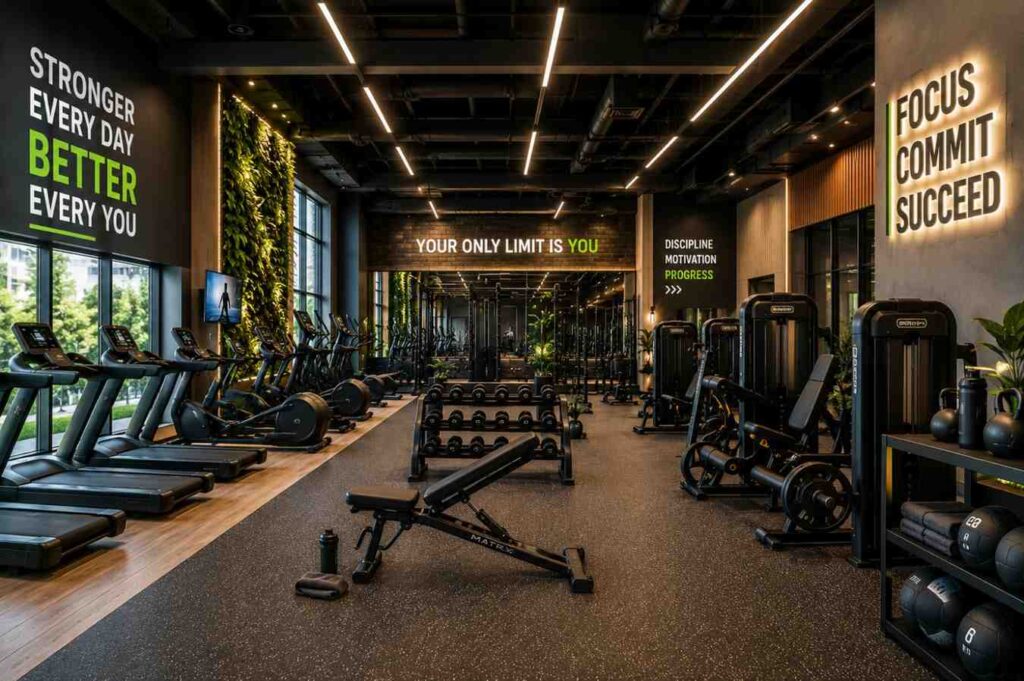
How to Choose the Best Gym for Your Fitness Goals
Choosing the right gym is one of the most important decisions in your fitness journey because it directly affects your consistency, motivation, and long-term results. A gym is not just a place with equipment; it is an environment that shapes your discipline, mindset, and daily habits. When you know how to choose the best gym for your fitness goals, you significantly increase your chances of staying committed and achieving meaningful progress.
Many beginners make the mistake of selecting a gym based only on proximity or low membership fees. While convenience and affordability are important, they should not be the only factors. A gym that lacks proper equipment, cleanliness, or supportive staff can quickly reduce motivation and make workouts less effective over time.
The right gym should match your personal fitness goals, whether that is weight loss, muscle building, strength training, or general health improvement. It should also provide a comfortable and motivating atmosphere that encourages regular attendance.
In this guide, you will learn how to evaluate essential factors such as equipment quality, trainer expertise, gym environment, pricing, and facilities. By understanding these elements, you can confidently choose a gym that supports your long-term fitness success.
Understanding Your Fitness Goals Before Choosing a Gym
Before selecting a gym, it is essential to clearly define what you want to achieve. Your fitness goals act as the foundation for every decision you make afterward. Without clarity, you may end up in a gym that does not support your needs, which can slow down your progress or lead to frustration.
Different goals require different training environments. For example, someone focused on weight loss will rely heavily on cardio machines and group fitness classes, while someone aiming for muscle gain will need a gym with free weights, resistance machines, and strength training support.
Additionally, your mindset matters. Short-term goals require a different approach compared to long-term fitness transformations, which demand structured programs and consistent tracking.
Aligning your goals with your environment is critical because a supportive gym atmosphere increases motivation and consistency.
Weight Loss, Muscle Gain, or General Fitness Goals
Your fitness goal plays a major role in determining which gym is best suited for you. If your focus is weight loss, you will benefit more from gyms that offer a strong selection of cardio machines such as treadmills, ellipticals, and cycling stations, along with group classes like HIIT or aerobics. These options help increase calorie burn and improve cardiovascular endurance.
For muscle gain, the ideal gym should have a wide range of strength training equipment, including free weights, squat racks, resistance machines, and space for compound movements. Proper equipment availability is essential for progressive overload, which is the foundation of muscle growth and strength development.
If your goal is general fitness, a balanced gym setup is most suitable. This includes both cardio and strength training areas, allowing you to build endurance, strength, and flexibility in a well-rounded way. Such gyms offer more variety, which helps maintain interest and consistency over time.
Since different gyms are designed with different training focuses, choosing one that aligns with your personal goal helps you avoid frustration, wasted effort, and lack of progress. A goal-specific gym ensures that every workout contributes meaningfully to your desired outcome.
Short-Term vs Long-Term Fitness Planning
Short-term fitness goals are usually focused on quick and visible results, such as rapid fat loss, improved stamina, or preparing for an event. These goals often rely on structured programs, high-intensity training sessions, and frequent progress checks to maintain motivation.
Long-term fitness goals, on the other hand, focus on overall lifestyle improvement, sustainable health, and gradual body transformation. They require patience, consistency, and a gym environment that supports steady progression rather than quick fixes.
A gym that encourages long-term planning will often provide tools like progress tracking, trainer support, and flexible programs that evolve with your fitness level. This helps prevent burnout and keeps your routine effective over time.
Understanding whether you are working toward short-term results or long-term transformation helps you choose a gym that matches your commitment style and training expectations.
Matching Goals With Gym Environment
The gym environment has a strong influence on your motivation, performance, and overall workout experience. A high-energy environment with loud music and group activities may be ideal for people focused on weight loss or endurance training, as it helps maintain intensity and enthusiasm.
In contrast, a calmer and more structured environment may be better suited for individuals focused on strength training or controlled muscle building. Such settings allow better concentration, proper form, and focused lifting sessions without distractions.
The social atmosphere of a gym also matters. A supportive and encouraging community can significantly improve your discipline and consistency, especially when motivation fluctuates.
Ultimately, choosing a gym environment that aligns with your personality and fitness goals ensures that you stay comfortable, motivated, and committed to your long-term progress.
Key Factors to Evaluate in a Gym
Several practical factors play a major role in determining the overall quality of your gym experience. These include equipment condition, cleanliness, trainer expertise, and the general atmosphere of the facility. Each of these elements directly influences your progress, safety, and motivation levels. A gym that performs well in all these areas is more likely to support consistent long-term results.
Understanding these factors helps you avoid poor-quality gyms that may look attractive on the surface but lack proper structure and support. By carefully evaluating each aspect, you can choose a gym that aligns with both your fitness goals and personal comfort.
A well-balanced gym experience depends not only on facilities but also on how well those facilities are maintained and supported by professional staff.
Equipment Quality and Availability
A high-quality gym must provide a wide range of well-maintained equipment, including treadmills, resistance machines, free weights, and functional training tools. The condition of the equipment plays an important role in ensuring safe and effective workouts. Poorly maintained machines can increase the risk of injury and reduce training efficiency.
Availability is equally important because overcrowded gyms or limited equipment can lead to long waiting times. This disrupts workout flow and can negatively affect motivation and consistency. A well-equipped gym ensures that members can complete their workouts without unnecessary delays.
Modern equipment also enhances training comfort and safety by offering better ergonomics, adjustable settings, and improved resistance control.
Cleanliness and Hygiene Standards
Cleanliness is a critical factor in any gym environment because it directly affects health and safety. Regular cleaning of machines, mats, locker rooms, and washrooms helps reduce the spread of germs and infections.
A clean gym reflects professionalism and shows that management values member well-being. Poor hygiene standards can quickly discourage users and negatively impact overall workout experience.
Maintaining a sanitized environment also improves comfort and allows members to focus on their training without concerns about cleanliness or safety.
Trainer Expertise and Support
Certified and experienced trainers are essential for ensuring proper exercise technique and injury prevention. They guide members on correct posture, movement patterns, and workout structure, which is especially important for beginners.
Trainers also play a key role in designing personalized workout plans based on individual fitness goals, such as weight loss, muscle gain, or general fitness improvement. Their expertise helps maximize results in a safe and efficient manner.
In addition to technical support, trainers provide motivation, accountability, and encouragement, which helps members stay consistent and committed to their fitness journey.
Types of Gyms and Which One Fits You Best
Different gyms offer different environments, training styles, and levels of support. Choosing the right type is important because it directly affects your motivation, consistency, and long-term fitness results. A gym that aligns with your goals will always feel easier to commit to than one that does not match your needs.
Understanding the structure and purpose of each gym type helps you make a more informed decision. Some gyms are designed for general fitness, while others focus on specialized training or personalized coaching.
Below are the main types of gyms and how to identify which one suits you best.
Commercial Fitness Centers
Commercial fitness centers are the most common type of gym and are designed for a wide audience, including beginners, intermediate users, and casual fitness enthusiasts. These gyms typically offer a large variety of equipment such as cardio machines, free weights, resistance machines, and functional training zones.
They often include group classes like aerobics, spinning, Zumba, and HIIT sessions, which help improve motivation and provide structured workout options. This variety makes commercial gyms a flexible choice for people with different fitness goals.
However, they can become crowded during peak hours, which may lead to waiting times for equipment and a less personalized experience. Despite this, they remain one of the most affordable and accessible gym options.
Boutique Fitness Studios
Boutique fitness studios focus on specific training styles such as yoga, Pilates, cycling, HIIT, or functional training. Unlike large gyms, they offer a more focused and specialized workout environment.
These studios usually have smaller groups and more direct instructor involvement, which helps improve technique, form, and overall workout quality. This personalized attention is especially beneficial for beginners or those who prefer guided training.
Boutique studios also create a strong sense of community, which can improve motivation and consistency. However, they may have limited equipment and fewer training varieties compared to commercial gyms.
Specialized Strength Training Gyms
Specialized strength training gyms are designed for serious lifters, athletes, and individuals focused on muscle building, powerlifting, or strength performance. These gyms are equipped with advanced strength equipment such as squat racks, deadlift platforms, heavy dumbbells, and specialized machines.
The environment in these gyms is usually focused, disciplined, and performance-driven. Members often follow structured training programs that emphasize progressive overload and measurable strength improvements.
While they may not offer many group classes or cardio options, they are ideal for individuals who prioritize strength development and advanced fitness goals.
Types of Gyms and Which One Fits You Best
Different gyms offer different environments, training styles, and levels of support. Choosing the right type is important because it directly affects your motivation, consistency, and long-term fitness results. A gym that aligns with your goals will always feel easier to commit to than one that does not match your needs.
Understanding the structure and purpose of each gym type helps you make a more informed decision. Some gyms are designed for general fitness, while others focus on specialized training or personalized coaching.
Below are the main types of gyms and how to identify which one suits you best.
| Gym Type | Best For | Fitness Goal Match | Key Benefits | Limitations |
|---|---|---|---|---|
| Commercial Gym | Beginners & general users | Weight loss, fitness maintenance | Full equipment range, flexible workouts | Can be crowded |
| Boutique Gym | Specialized training lovers | Yoga, HIIT, pilates, flexibility | Expert coaching, focused classes | Limited equipment variety |
| Strength Training Gym | Bodybuilders & athletes | Muscle gain, strength building | Heavy weights, advanced training tools | Not beginner-friendly sometimes |
| CrossFit / Functional Gym | High-intensity users | Fat loss, endurance, athletic performance | Community-based, high motivation | Physically demanding |
| Home-Based Gym Alternative | Remote users | Basic fitness & consistency | Convenience, low cost | Limited equipment |
Commercial Fitness Centers
Commercial fitness centers are the most common type of gym and are designed for a wide audience, including beginners, intermediate users, and casual fitness enthusiasts. These gyms typically offer a large variety of equipment such as cardio machines, free weights, resistance machines, and functional training zones.
They often include group classes like aerobics, spinning, Zumba, and HIIT sessions, which help improve motivation and provide structured workout options. This variety makes commercial gyms a flexible choice for people with different fitness goals.
However, they can become crowded during peak hours, which may lead to waiting times for equipment and a less personalized experience. Despite this, they remain one of the most affordable and accessible gym options.
Boutique Fitness Studios
Boutique fitness studios focus on specific training styles such as yoga, Pilates, cycling, HIIT, or functional training. Unlike large gyms, they offer a more focused and specialized workout environment.
These studios usually have smaller groups and more direct instructor involvement, which helps improve technique, form, and overall workout quality. This personalized attention is especially beneficial for beginners or those who prefer guided training.
Boutique studios also create a strong sense of community, which can improve motivation and consistency. However, they may have limited equipment and fewer training varieties compared to commercial gyms.
Specialized Strength Training Gyms
Specialized strength training gyms are designed for serious lifters, athletes, and individuals focused on muscle building, powerlifting, or strength performance. These gyms are equipped with advanced strength equipment such as squat racks, deadlift platforms, heavy dumbbells, and specialized machines.
The environment in these gyms is usually focused, disciplined, and performance-driven. Members often follow structured training programs that emphasize progressive overload and measurable strength improvements.
While they may not offer many group classes or cardio options, they are ideal for individuals who prioritize strength development and advanced fitness goals.
Facilities, Equipment, and Cleanliness Standards
Gym facilities play a major role in shaping your overall workout experience. A well-equipped and well-maintained gym not only improves training efficiency but also enhances comfort, safety, and motivation. When evaluating a gym, it is important to look beyond membership fees and focus on the quality of its facilities.
The right environment should support your fitness goals by providing proper equipment, clean spaces, and safe training conditions. These factors directly influence how consistently and effectively you can train.
Below are the key facility standards you should always check before choosing a gym.
Cardio and Strength Equipment Variety
A good gym should offer a balanced mix of cardio and strength training equipment to support all types of fitness goals. This includes treadmills, stationary bikes, rowing machines, and elliptical trainers for cardiovascular conditioning.
For strength training, the gym should provide free weights, dumbbells, barbells, resistance machines, and functional training areas. This variety ensures that users can perform full-body workouts and follow progressive training programs.
A lack of equipment variety can limit your workout options and slow down progress, especially if your goals involve fat loss, muscle gain, or overall fitness improvement.
Locker Rooms and Shower Facilities
Locker rooms and shower facilities are essential for convenience, hygiene, and overall user comfort. Clean and well-maintained locker rooms allow members to securely store their belongings while training.
Shower facilities are especially important for people who train before work or during busy schedules. They help maintain personal hygiene and make gym visits more practical and flexible.
Poorly maintained or unhygienic changing areas can negatively affect your overall gym experience, regardless of how good the training equipment is.
Safety and Maintenance Practices
Safety should always be a top priority in any gym. Regular maintenance of machines and equipment ensures that everything functions properly and reduces the risk of accidents or injuries during workouts.
Well-managed gyms perform routine inspections, repair faulty machines quickly, and ensure that all equipment is safe to use. This creates a secure training environment for all members.
Proper maintenance practices also reflect the professionalism of the gym and its commitment to member safety and long-term satisfaction.
Trainers, Classes, and Community Support
The level of support provided in a gym can significantly influence your motivation, consistency, and overall fitness results. Beyond equipment and facilities, the presence of qualified trainers, structured classes, and a positive community creates an environment where members are more likely to stay committed to their goals.
A supportive gym environment helps reduce confusion, improves workout quality, and encourages long-term discipline. Whether you are a beginner or an advanced trainee, having access to proper guidance and encouragement can make your fitness journey more effective and enjoyable.
Below are the key support elements you should consider when choosing a gym.
Personal Training Programs
Personal training programs provide one-on-one guidance tailored to your specific fitness goals, such as weight loss, muscle gain, or strength improvement. Personal trainers design structured workout plans based on your fitness level, body type, and progress.
They also monitor your form and technique to ensure exercises are performed correctly, reducing the risk of injury. This is especially beneficial for beginners who may not be familiar with proper training methods.
In addition to workout planning, personal trainers help track progress and make necessary adjustments, ensuring continuous improvement over time.
Group Fitness Classes and Motivation
Group fitness classes offer structured workouts led by an instructor in a group setting. These classes may include HIIT, aerobics, spinning, yoga, or circuit training, depending on the gym.
Working out in a group increases energy levels and creates a motivating environment where participants push each other to perform better. This can make workouts more enjoyable and less repetitive.
Group classes are also helpful for maintaining consistency, as scheduled sessions encourage members to attend regularly and stay committed to their fitness routine.
Gym Community and Social Environment
A positive gym community plays an important role in long-term fitness success. Being surrounded by supportive and like-minded individuals helps improve accountability and motivation.
Many people find it easier to stay consistent when they feel part of a fitness community that shares similar goals and encourages progress. This social aspect can make workouts more engaging and less isolating.
A strong gym culture often leads to better discipline, higher attendance, and a more enjoyable fitness experience overall.
Location, Timing, and Convenience Factors
Convenience is one of the most important factors when choosing a gym because it directly affects your consistency and long-term commitment. Even the best-equipped gym will not be useful if it is difficult to reach or does not fit your schedule.
A gym that is easy to access and aligns with your daily routine makes it much more likely that you will attend regularly and stay consistent with your fitness plan. Small convenience factors often make a big difference in long-term success.
Below are the key convenience factors you should always consider before joining a gym.
Gym Near Home or Workplace
Choosing a gym that is close to your home or workplace significantly increases the chances of regular attendance. When travel time is short, it becomes easier to fit workouts into your daily routine without disruption.
A nearby gym also reduces excuses related to distance, traffic, or fatigue after work. This convenience helps maintain consistency, which is essential for achieving long-term fitness results.
In most cases, the best gym is not necessarily the most advanced one, but the one you can reach easily and regularly without stress.
Flexible Opening Hours
Flexible opening hours are important for people with busy or unpredictable schedules. Many modern gyms now offer early morning or late-night access, and some even operate 24/7.
This flexibility allows members to train at times that best suit their lifestyle, whether before work, during lunch breaks, or late at night. It removes time-related barriers to fitness.
Gyms with extended hours are especially beneficial for shift workers, students, and professionals with irregular routines.
Accessibility and Parking Facilities
Easy access to the gym building and proper parking facilities greatly improve the overall experience. If reaching the gym or finding parking is difficult, it can discourage regular visits over time.
Well-designed gyms ensure that members can enter and exit smoothly, with clear signage, safe entry points, and sufficient parking space. This convenience reduces stress and saves time.
Good accessibility also reflects thoughtful planning and improves the overall quality of the gym environment, making workouts more enjoyable and hassle-free.
Final Decision: How to Compare Gyms Effectively
Choosing the right gym becomes much easier when you compare your options systematically instead of relying on first impressions. A structured comparison helps you evaluate important factors side by side, ensuring that your final decision is practical, informed, and aligned with your fitness goals. This step is crucial because it reduces confusion and helps you avoid costly mistakes.
A good gym comparison focuses on more than just price. It includes equipment quality, trainer expertise, cleanliness, location, and overall environment. When you analyze these elements carefully, you can clearly identify which gym offers the best value for your needs and lifestyle.
Below are practical methods to help you confidently compare gyms before making a final decision.
| Factor | What to Check | Why It Matters | Ideal Answer (Good Gym) |
|---|---|---|---|
| Location | Distance from home/work | Impacts consistency | 5–15 minutes travel time |
| Equipment Quality | Machines, free weights, maintenance | Affects workout effectiveness | Modern, well-maintained equipment |
| Trainer Support | Certified trainers available | Helps avoid injury | Qualified and experienced trainers |
| Cleanliness | Hygiene of gym, lockers, showers | Prevents health risks | Regular cleaning & sanitation |
| Crowd Level | Peak hour rush | Affects workout flow | Balanced crowd, no long waits |
| Membership Cost | Monthly/annual fees | Budget planning | Transparent pricing with no hidden fees |
| Facilities | Cardio, strength, classes | Supports fitness goals | Full-body training options |
| Safety Standards | Equipment safety checks | Prevents injuries | Regular maintenance schedule |
Using a Gym Comparison Checklist
A gym comparison checklist is one of the most effective tools for evaluating different fitness centers. It allows you to score or review each gym based on key factors such as equipment variety, membership cost, trainer qualifications, hygiene standards, and available facilities.
By using a checklist, you can easily compare strengths and weaknesses of each gym side by side. This removes emotional bias and helps you focus on facts rather than marketing or first impressions.
A structured checklist ensures that no important detail is missed during your decision-making process.
Trial Sessions and Free Passes
Trial sessions and free gym passes give you real experience before committing to a membership. This is one of the best ways to understand how a gym actually feels in daily use.
During a trial visit, you can observe crowd levels, test equipment, interact with trainers, and evaluate the overall atmosphere. This hands-on experience often reveals details that are not visible online or in advertisements.
Taking advantage of trial sessions helps you avoid regret and ensures that the gym truly matches your expectations and comfort level.
Making a Long-Term Commitment
Once you have compared your options, the final step is choosing a gym that you can realistically stay committed to for the long term. Consistency is the most important factor in achieving fitness results, so sustainability should always be a priority.
The best gym is not necessarily the most luxurious or expensive one, but the one that fits your routine, motivation, and long-term goals. A convenient and comfortable gym will always support better consistency.
Making a thoughtful long-term decision ensures that your fitness journey remains stable, effective, and result-oriented over time.
Frequently Asked Questions
Frequently Asked Questions (FAQs) are an important part of any guide because they address the most common doubts people have in a simple and direct way. When it comes to fitness, gym selection, or workout planning, people often share similar concerns related to costs, training frequency, safety, and results.
These questions help beginners understand key concepts without needing deep technical knowledge. They also provide quick clarity on practical issues that may affect decision-making, such as how often to train, what to eat, or whether a personal trainer is necessary.
FAQs also act as a summary of the most important points covered in a guide. By reviewing them, readers can quickly reinforce their understanding and make more confident choices about their fitness journey.
How do I choose the right gym for me?
Choosing the right gym starts with clearly identifying your fitness goals, such as weight loss, muscle gain, or general fitness. Once your goals are defined, you can compare different gyms based on important factors like equipment quality, trainer expertise, cleanliness, location, and pricing.
It is also highly recommended to visit multiple gyms and take trial sessions before making a decision. This helps you understand the real environment, crowd levels, and overall comfort so you can choose a gym that matches your long-term consistency and motivation.
What should I look for in a gym membership?
When selecting a gym membership, you should carefully check the pricing structure, contract duration, and what services are included in the package. Some gyms offer group classes, personal training, or special facilities, while others may charge additional fees for these services.
You should also review cancellation policies, hidden charges, and flexibility options before committing. A good membership should offer both value for money and the flexibility to support your changing fitness needs over time.
Is a gym worth it for beginners?
Yes, gyms are extremely beneficial for beginners because they provide structured equipment, professional guidance, and a motivating environment. Beginners can learn correct exercise techniques, which helps reduce the risk of injury and improves overall training effectiveness.
Many gyms also offer introductory support or personal trainers who help new members build confidence and develop proper workout habits. This makes it easier for beginners to stay consistent and achieve early progress in their fitness journey.
How much should I pay for a gym?
Gym prices vary depending on location, facilities, and services offered, so there is no fixed cost. Instead of focusing only on the cheapest option, it is better to compare multiple gyms and evaluate what value you are receiving for the price.
A slightly higher membership fee can often be worth it if the gym provides better equipment, cleanliness, trainer support, and a more comfortable environment. The goal should always be to balance cost with quality and long-term usability.
What makes a gym good quality?
A high-quality gym includes clean and well-maintained facilities, modern equipment, and experienced trainers who can guide members effectively. It should also offer flexible timing and a safe, comfortable training environment.
In addition, a good gym promotes a supportive and motivating community that encourages consistency and progress. When all these elements come together, they create a space that supports long-term fitness success and member satisfaction.
Conclusion
Choosing the right fitness center is a crucial step toward achieving your health, fitness, and overall wellness goals. The gym you select will directly influence your motivation, consistency, and long-term progress, so it should never be a rushed decision. A well-chosen gym becomes a supportive environment that helps you stay committed to your fitness journey.
When you understand how to choose the best gym for your fitness goals, you are able to make smarter and more informed decisions. Instead of focusing only on price or convenience, you begin to consider important factors like equipment quality, trainer expertise, cleanliness, and overall atmosphere.
A thoughtful evaluation of these elements ensures that your gym supports your specific needs, whether your goal is weight loss, muscle gain, or general fitness. This leads to better results, improved safety, and a more enjoyable workout experience.
Ultimately, the right gym becomes more than just a place to exercise—it becomes a part of your lifestyle, shaping your habits, discipline, and long-term health outcomes.