
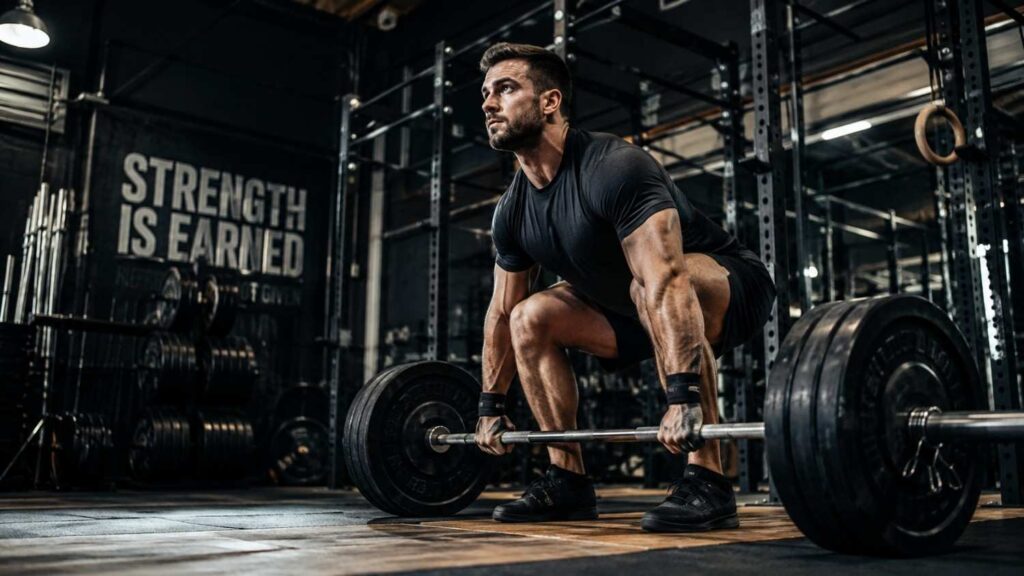
Top 5 Gyms for Weightlifting Enthusiasts: 2026 Guide
Choosing a gym becomes much more important when strength training moves beyond occasional workouts. General fitness facilities may provide enough equipment for basic resistance exercise, but dedicated lifters usually need more. Consistent access to quality barbells, adequate weight plates, stable squat racks, strong benches, safe deadlifting areas, suitable flooring, and enough room to complete compound movements can directly influence how smoothly a training program works.
It is also important to understand what “weightlifting” means in different contexts. In everyday conversation, people often use the term for almost any workout involving weights. In competitive weightlifting, however, the sport revolves around the snatch and the clean and jerk. The International Weightlifting Federation identifies these as the two competitive lifts. Powerlifting follows a different competitive structure built around the squat, bench press, and deadlift. Bodybuilding has another priority again, with training designed primarily around muscular development rather than maximizing performance in a small group of competition lifts.
That difference matters when comparing the Top 5 Gyms for Weightlifting Enthusiasts. A facility can be excellent for bodybuilding yet poorly suited to repeated snatches. Another gym may offer excellent Olympic weightlifting programming but fewer bodybuilding machines. A powerlifter may care more about rack availability and bench setup than a recreational lifter does.
For this reason, the five gyms below are not presented as an absolute worldwide ranking. Instead, they represent notable U.S. facilities with current, verifiable strength-training offerings. The comparison considers equipment, specialization, coaching or programming opportunities, lifting culture, training flexibility, and suitability for different types of serious lifters.
What Makes a Great Gym for Weightlifting Enthusiasts?
The best weightlifting gym is not necessarily the largest gym, the most expensive facility, or the one with the most recognizable logo. For dedicated strength athletes, usefulness comes from how effectively the training environment supports the exercises they need to perform week after week. Equipment quality matters, but equipment quantity, layout, rules, coaching, atmosphere, and accessibility can be equally important.
A lifter following a five-day strength program may need reliable rack access several times per week. Waiting 30 minutes for the only squat rack can disrupt training even if the rest of the gym looks impressive. Olympic weightlifters face additional requirements because the snatch and clean and jerk involve explosive movements, overhead receiving positions, and controlled dropping of loaded barbells. Powerlifters usually care more about secure racks, strong benches, deadlift platforms, appropriate bars, and sufficient plates. Bodybuilders may want a much larger selection of plate-loaded and resistance machines.
Training culture also deserves attention. A serious strength gym should allow people to work hard without making beginners feel that they do not belong. Good facilities create an environment where experienced athletes can train intensely while less experienced members can learn proper technique safely.
I recommend evaluating a gym through three questions: Does it have the equipment your program requires? Can you realistically access that equipment when you normally train? Does the overall environment support your long-term goals? Those questions are usually more useful than comparing amenities that have little connection with lifting performance.
Key Factors for Evaluating a Weightlifting Gym
| Evaluation Factor | What to Look For | Why It Matters |
|---|---|---|
| Strength Equipment | Squat racks, power racks, Olympic barbells, benches, and adequate plates | Supports consistent compound and barbell training |
| Olympic Lifting Setup | Lifting platforms, bumper plates, overhead clearance, and suitable barbells | Provides safer space for snatches and clean and jerks |
| Powerlifting Equipment | Competition-style benches, deadlift platforms, specialty bars, and sturdy racks | Supports squat, bench press, and deadlift-focused programs |
| Training Space | Dedicated lifting areas with enough room between stations | Reduces congestion and allows safer movement during heavy lifts |
| Coaching Support | Qualified strength coaches, technique guidance, and structured programming | Helps lifters improve technique and follow progressive training |
| Gym Culture | Serious strength-training community and respectful equipment-sharing habits | Creates an environment that supports consistent training |
| Practical Access | Convenient location, suitable opening hours, parking, and manageable peak-time traffic | Makes regular training easier to maintain |
Strength Equipment and Lifting Space
Strength equipment should be the first major consideration when comparing weightlifting gyms. A serious facility should offer enough racks, benches, barbells, plates, and lifting space to support normal training volume without forcing members to redesign every session around equipment shortages. The exact equipment required depends on the lifter’s discipline, so a useful evaluation begins with your own training program.
Olympic weightlifters generally benefit from quality barbells, bumper plates, lifting platforms, secure flooring, and enough vertical and horizontal space to perform the snatch and clean and jerk safely. These movements require considerably more freedom around the bar than controlled machine exercises. Competitive weightlifting itself consists of the snatch and clean and jerk, making appropriate lifting space central to sport-specific preparation.
Powerlifters usually prioritize sturdy squat racks, benches, deadlift areas, substantial plate availability, and bars appropriate for heavy strength work. Bodybuilders may value dumbbell range, cable stations, plate-loaded machines, and equipment variety alongside barbell stations.
Quantity also matters. Ten high-quality racks may serve members better than one premium rack surrounded by equipment they rarely use. When visiting, inspect not only what exists, but how many lifters can use the important stations simultaneously during peak hours.
Coaching and Programming Support
Good equipment gives athletes the tools to train, but knowledgeable coaching can help them use those tools more effectively. This becomes especially important in technical disciplines such as Olympic weightlifting, where strength alone does not guarantee efficient performance. The snatch and clean and jerk require coordinated pulling, receiving positions, balance, timing, bar control, mobility, and consistent technique under increasing load.
California Strength illustrates the value of structured programming. Its current Olympic weightlifting offerings include a starter option intended to help beginners develop technique, a club program aimed at more experienced lifters who want to compete, an elite program based on its in-house team programming, a masters option, and technique-focused programming for the snatch and clean and jerk. That range allows athletes to select programming according to experience rather than following the same generic plan.
Beginners should look for coaches who emphasize repeatable technique before maximum weight. More experienced lifters may need programming periodization, competition preparation, video analysis, load management, and help addressing specific weaknesses.
Coaching is not mandatory for every strong gym. Independent lifters may already follow programs from their own coaches. Still, having experienced strength professionals available can make a facility much more valuable when technique stalls, injuries change training needs, or athletes decide to compete.
Training Culture and Practical Access
Training culture affects consistency more than many people realize. Some lifters perform best in loud, highly energetic environments where heavy deadlifts and demanding sessions are normal. Others prefer a quieter facility where technical practice and concentration receive more emphasis. Neither approach is universally superior. The important question is whether the environment encourages you to train seriously, safely, and consistently.
A strong culture should also be welcoming enough for developing athletes. “Hardcore” should describe the commitment to training, not unnecessary hostility toward beginners. New lifters benefit from being around experienced people when gym etiquette encourages members to share equipment, communicate, and respect one another’s work.
Practical access matters just as much as atmosphere. Before joining, check opening hours, peak periods, commute time, parking, guest rules, membership restrictions, and policies involving chalk, deadlifting, barbell drops, filming, or equipment use. A gym that perfectly matches your training philosophy but requires an exhausting commute may become difficult to use consistently.
For lifters interested in how standout facilities compare beyond equipment alone, broader lists of the best gyms in the world also highlight the importance of training culture and reputation.
HYBRID, for example, currently advertises private 24/7 member access at its Miami facility, including weekends and holidays. This type of access can be valuable for shift workers or athletes who prefer off-peak training.
In practice, convenience and training quality should work together. The best gym is one you can access regularly without compromising the exercises your program requires.
Top 5 Gyms for Weightlifting Enthusiasts: Picks 1–3
The first three choices on this list represent three different approaches to serious strength training. California Strength stands out for Olympic weightlifting specialization and structured programming. HYBRID Performance Method appeals to athletes who move between several competitive strength disciplines. Barbell Brigade emphasizes high-density barbell equipment in a facility designed around serious lifting.
This distinction matters because “best weightlifting gym” can mean very different things. A lifter preparing for an Olympic weightlifting competition needs a different environment from a powerlifter preparing for a heavy squat, bench, and deadlift cycle. Someone who wants to combine bodybuilding with powerlifting may have different priorities again.
Rather than forcing every facility into identical judging criteria, this ranking considers the role each gym is designed to perform. California Strength receives the highest placement because its Olympic weightlifting identity directly matches the strict sporting definition of weightlifting. HYBRID follows because it offers unusual flexibility across multiple strength disciplines. Barbell Brigade earns its place through an equipment layout heavily concentrated around squatting, benching, deadlifting, and strength-focused training.
Location also affects the value of these recommendations. California Strength currently lists facilities in San Ramon and Los Gatos, while Barbell Brigade operates its featured facility in Downtown Los Angeles. HYBRID’s flagship gym is located in Miami’s Wynwood area.
For lifters who cannot train at these locations, the descriptions are still useful as a checklist. They show what to look for in a comparable specialist facility closer to home.
1. California Strength – Best for Olympic Weightlifting
California Strength takes the top position for athletes whose primary goal is genuine Olympic weightlifting. The organization currently offers programming designed for several experience levels, including people picking up a barbell for the first time and lifters preparing for national-level competition. Its official Olympic weightlifting page also states that athletes can train alongside the California Strength Weightlifting Team.
Its programming structure is particularly useful because beginners and advanced competitors do not need the same workload. California Strength currently lists a starter program built around three weekly training sessions, a club option for more experienced lifters, an elite program based on the in-house team’s training, a masters program, and additional technique-focused options.
The organization also maintains physical locations in San Ramon and Los Gatos, California. This makes the recommendation relevant both to local athletes seeking an in-person strength environment and to lifters interested in its broader programming system.
Best for: Olympic weightlifters, technique-focused beginners, masters athletes, and lifters preparing to compete.
Why it stands out: Its identity and programming directly center on the snatch, clean and jerk, and structured development within Olympic weightlifting rather than treating those lifts as occasional additions to general fitness.
2. HYBRID Performance Method – Best for Multiple Strength Sports
HYBRID Performance Method is a strong choice for athletes who dislike being limited to a single strength discipline. Its Miami facility currently describes itself as fully equipped with competition-grade tools for Olympic weightlifting, powerlifting, boxing, functional fitness, and strongman-style training. The facility also advertises private 24/7 access for members, including weekends and holidays.
That combination creates an unusually flexible environment. A lifter can work on the snatch and clean and jerk while still having access to equipment suited to heavy squats, bench presses, deadlifts, strongman training, accessory work, and conditioning. HYBRID’s training platform also describes programming that combines Olympic weightlifting, powerlifting, and bodybuilding accessory work, reinforcing its multi-discipline identity.
Another useful detail is the availability of lifting accessories. HYBRID currently lists complimentary member use of items including powerlifting belts, Olympic weightlifting belts, wrist wraps, lifting straps, knee sleeves, and knee wraps.
Best for: hybrid strength athletes, powerlifters, Olympic weightlifters, strongman-oriented trainees, and people who want several training styles under one roof.
Why it stands out: Instead of forcing athletes into one narrow category, HYBRID provides a facility where several strength sports can coexist without turning serious barbell work into a secondary feature.
3. Barbell Brigade – Best Equipment Density for Barbell Training
Barbell Brigade earns its place because its published equipment numbers show a facility intentionally designed around heavy barbell training. Its official website currently describes a 5,500-square-foot Downtown Los Angeles gym containing 16 squat racks, 11 benches, and six deadlift platforms, along with strength and bodybuilding equipment.
For serious lifters, those numbers have practical significance. Many large commercial gyms contain extensive cardio and machine areas but provide only a handful of stations for squats or heavy barbell work. A greater concentration of racks and benches can reduce bottlenecks, particularly when several members are running similar strength programs during popular training hours.
The gym also explicitly describes its community around strength, discipline, powerlifting platforms, and athletes pursuing goals ranging from a first powerlifting meet to new personal records. This gives Barbell Brigade a clear identity rather than making strength training one small part of a general wellness model.
Best for: powerlifters, bodybuilders, experienced barbell trainees, and lifters who need frequent access to squat, bench, and deadlift stations.
Why it stands out: Equipment density. The combination of 16 racks, 11 benches, and six deadlift platforms in a 5,500-square-foot space suggests that a substantial proportion of the gym floor is devoted to the movements serious barbell athletes use regularly.
Top 5 Gyms for Weightlifting Enthusiasts: Picks 4–5
The final two selections approach strength training from a broader and more historically rooted perspective. MetroFlex Gym Arlington represents the traditional hardcore gym model: heavy free weights, squat racks, deadlift platforms, competition preparation, and an environment strongly associated with bodybuilding and strength culture. Gold’s Gym Venice offers an equally recognizable strength identity, but combines it with a wider selection of resistance machines, functional training areas, personal training, and other full-service facilities.
Neither gym is placed lower because it lacks credibility. Instead, California Strength, HYBRID, and Barbell Brigade rank higher for this specific article because their current offerings are more directly aligned with particular specialist strength needs. MetroFlex and Gold’s Venice appeal to lifters who want broader heavy-training environments rather than a narrow Olympic weightlifting focus.
The appeal of these facilities also fits a broader strength-training tradition in which notable strength gyms are valued for their equipment, atmosphere, and influence on lifting culture.
MetroFlex Arlington currently lists free weights, squat racks, deadlift platforms, competition preparation, and personal training among its location features. Its official history also states that the original Arlington facility was founded by Brian Dobson in 1987 and that Ronnie Coleman trained there for all eight of his Mr. Olympia titles.
Gold’s Gym Venice follows a different model. Its current location page lists free weights, resistance machines, functional training, personal training, and an outdoor workout area. It also displays dedicated free-weight and plate-loaded machine areas.
For bodybuilders and general strength athletes, that broader mix may actually make one of these gyms more useful than a highly specialized Olympic weightlifting facility.
4. MetroFlex Gym Arlington – Best Hardcore Strength Atmosphere
MetroFlex Gym Arlington is particularly suited to lifters who value an old-school strength environment. The Arlington location identifies itself as the original MetroFlex facility and currently lists free weights, squat racks, deadlift platforms, competition preparation, and personal training among its features. Those are practical advantages for athletes whose programs revolve around heavy compound lifts rather than general fitness classes.
The gym’s history strengthens its reputation within bodybuilding. MetroFlex states that Brian Dobson founded the Arlington facility in 1987 and that Ronnie Coleman trained there during all eight of his Mr. Olympia title wins. That legacy does not automatically make the facility superior to newer gyms, but it demonstrates how deeply the location is connected with serious resistance training.
MetroFlex is also useful for understanding what “hardcore gym” should mean. The attraction is not luxury. It is access to equipment and an environment built around demanding training.
Best for: bodybuilders, powerlifting-oriented athletes, experienced strength trainees, and lifters who prefer traditional gym culture.
Why it stands out: MetroFlex combines functional heavy-lifting equipment with a long competitive bodybuilding history.
Beginners can still appreciate this type of gym, but they should enter with a structured program and ask for coaching when needed rather than assuming an intense environment automatically teaches good technique.
5. Gold’s Gym Venice – Best Iconic All-Round Strength Gym
Gold’s Gym Venice earns the fifth position because it provides one of the broadest strength-training environments on the list. Its official location page currently highlights free weights, resistance machines, functional training, personal training, and an outdoor workout area. It also showcases plate-loaded machines and dedicated free-weight sections containing dumbbells and barbells.
That variety makes Gold’s Venice particularly useful for lifters whose programs blend several forms of resistance training. A bodybuilder may perform heavy barbell presses before moving to plate-loaded machines and cable work. A recreational strength athlete can combine squats, dumbbell exercises, machine accessories, and functional training without needing multiple facilities.
Gold’s also describes Venice as being connected with bodybuilding and fitness since 1965, reinforcing the location’s established identity within strength culture. However, historical reputation should not be the only reason to train there. Its current equipment breadth is the more practical reason it remains relevant.
Best for: bodybuilders, free-weight enthusiasts, general strength trainees, visitors, and lifters who want extensive accessory options.
Why it stands out: Versatility. Gold’s Venice offers serious resistance-training options without functioning as a narrow Olympic weightlifting or powerlifting-only club.
Dedicated Olympic lifters may still prefer a specialist facility, but athletes seeking a comprehensive strength and bodybuilding environment will find this model more flexible.
Related Articles
How Do the Top 5 Weightlifting Gyms Compare?
Comparing these facilities becomes easier once the idea of a single “best gym” is removed. California Strength, HYBRID Performance Method, Barbell Brigade, MetroFlex Arlington, and Gold’s Gym Venice all support serious strength training, but they emphasize different goals. A lifter’s preferred facility should therefore depend more on training style than overall fame.
California Strength has the clearest Olympic weightlifting focus. Its current programming explicitly serves beginner, competitive, elite, and masters weightlifters. HYBRID offers the widest competitive cross-training range, advertising equipment for Olympic weightlifting, powerlifting, strongman-style work, functional fitness, and boxing.
Barbell Brigade is particularly impressive from an equipment-density perspective. Its 5,500-square-foot facility currently lists 16 squat racks, 11 benches, and six deadlift platforms. MetroFlex Arlington focuses on a traditional heavy-training atmosphere and lists core strength features including free weights, squat racks, and deadlift platforms. Gold’s Venice offers the broadest mixture of free weights, resistance machines, plate-loaded training, functional areas, personal training, and outdoor exercise space.
The comparison below should therefore be read as a goal-matching tool rather than a universal scorecard.
| Gym | Location | Best For | Verified Strength Feature |
|---|---|---|---|
| California Strength | San Ramon / Los Gatos, CA | Olympic weightlifting | Programs from beginner through competitive and elite lifting |
| HYBRID Performance Method | Miami, FL | Multiple strength sports | Competition-grade Olympic lifting, powerlifting and strongman equipment |
| Barbell Brigade | Los Angeles, CA | Barbell training / powerlifting | 16 squat racks, 11 benches, 6 deadlift platforms |
| MetroFlex Arlington | Arlington, TX | Hardcore strength / bodybuilding | Free weights, racks, deadlift platforms and competition preparation |
| Gold’s Gym Venice | Venice, CA | All-round strength / bodybuilding | Free weights, resistance machines, plate-loaded machines and outdoor training |
Best Choice for Olympic Weightlifting
California Strength is the strongest specialist choice in this list for athletes focused specifically on Olympic weightlifting. The reason is not simply its name or reputation. Its current programming structure explicitly supports athletes at several stages, including beginners learning technique, experienced lifters interested in competition, elite athletes, and masters competitors.
This matters because Olympic weightlifting differs significantly from general barbell training. The snatch and clean and jerk are the sport’s two competitive lifts, and both require technical consistency in addition to strength. A facility or training system that understands those demands can provide more relevant programming than a gym built primarily around machines or conventional bodybuilding.
HYBRID Performance Method is the strongest alternative for athletes who want Olympic lifting while continuing other strength sports. Its Miami facility explicitly supports Olympic weightlifting alongside powerlifting and strongman-style training.
For a pure weightlifting specialist, however, California Strength has the clearer sport-specific identity.
The larger lesson is that Olympic lifters should look beyond the phrase “free weights available.” Platforms, bumper plates, suitable barbells, technical coaching, sufficient space, and programming that respects the demands of the snatch and clean and jerk matter more.
Best Choice for Powerlifting and Heavy Barbell Work
Barbell Brigade is especially compelling for powerlifters and heavy barbell trainees because its current equipment mix directly supports the movements that dominate those programs. Sixteen squat racks, 11 benches, and six deadlift platforms inside a 5,500-square-foot facility create a training layout strongly centered on squat, bench, deadlift, and related strength work.
This kind of equipment concentration matters during high-volume cycles. A powerlifter may squat or bench several times per week and cannot afford to have core sessions repeatedly delayed because a general fitness facility provides only one or two suitable stations. Multiple platforms also make structured deadlift sessions more practical.
MetroFlex Arlington provides an alternative for athletes who prefer a more traditional hardcore environment. Its official location page currently identifies free weights, squat racks, deadlift platforms, competition preparation, and personal training as key features. HYBRID should also remain on a powerlifter’s shortlist because its facility specifically advertises competition-grade tools for powerlifting.
The best choice among them depends on whether you value equipment density, old-school atmosphere, or multi-sport flexibility.
Before joining any powerlifting gym, inspect the benches and racks personally, confirm deadlifting policies, and check whether the available bars and plates suit how you train.
Best Choice for General Strength Enthusiasts
Gold’s Gym Venice is arguably the strongest all-round option for people who train seriously but do not identify exclusively as Olympic weightlifters or powerlifters. Its current facility information shows a broad combination of free weights, plate-loaded equipment, resistance machines, functional training areas, personal training, and outdoor exercise space.
That variety supports programs that move between heavy compound lifts and targeted accessory work. For example, a lifter may perform barbell presses or squats first and then use plate-loaded machines, dumbbells, cables, or other resistance equipment to increase training volume without relying on the same movement patterns for the entire session.
Bodybuilders may find this especially useful because hypertrophy programs often require more exercise variety than highly specialized competition-lift programming. Recreational lifters can also benefit because their goals may include strength, muscle gain, conditioning, and general performance at the same time.
The main tradeoff is specialization. Gold’s Venice provides breadth, but a dedicated Olympic weightlifter may prefer a facility where platforms and technical weightlifting programming dominate the training culture.
For general strength enthusiasts, however, breadth can be an advantage rather than a compromise. The right gym should allow your program to evolve without forcing you to change facilities whenever your training emphasis shifts.
How Should You Choose the Right Weightlifting Gym?
Selecting from the Top 5 Gyms for Weightlifting Enthusiasts is useful only if you understand which features actually matter to your own training. A famous facility can still be the wrong choice if its equipment, location, atmosphere, or programming does not match your goals. The same is true in reverse: a smaller local gym may serve you extremely well if it consistently provides the equipment and support you need.
Start by identifying the movements that appear most often in your program. Olympic lifters need an environment suitable for repeated snatches and clean and jerks. Powerlifters need dependable access to squat, bench, and deadlift stations. Bodybuilders usually require a broader selection of free weights, machines, and cables. General strength athletes may benefit most from a balanced facility that allows all of these training styles in moderation.
Next, think about how often you train and when. A gym can list excellent equipment online but still feel unusable if every rack is occupied at your normal training time. Visiting during your expected workout hours gives a more realistic picture than touring an empty facility in the middle of the day.
Finally, evaluate long-term practicality. Commute time, opening hours, parking, membership conditions, coaching access, cleanliness, and community all influence whether you will continue training consistently.
I recommend treating your first visit like an equipment audit rather than a sales tour. Focus on what you will actually use every week and whether the facility removes obstacles from your program.
Gym Selection by Training Goal
| Training Goal | Priority Equipment | Useful Gym Features | Best-Fit Training Environment |
|---|---|---|---|
| Olympic Weightlifting | Olympic barbells, bumper plates, lifting platforms | Technique coaching and structured programming | Specialized weightlifting facility |
| Powerlifting | Power racks, competition benches, deadlift platforms | Heavy barbell setup and strength-focused equipment | Powerlifting or serious strength gym |
| Bodybuilding | Dumbbells, cable stations, plate-loaded machines | Wide exercise variety and resistance equipment | Bodybuilding-focused or full-service gym |
| General Strength | Barbells, racks, benches, free weights | Balanced equipment and flexible training space | Well-equipped strength training gym |
| Hybrid Strength Training | Olympic, powerlifting, conditioning, and specialty equipment | Multiple training disciplines under one roof | Multidisciplinary strength facility |
| Beginner Strength Training | Basic barbells, racks, plates, and safe lifting areas | Beginner-friendly coaching and technique instruction | Supportive strength-training environment |
Define Your Main Training Style
Before comparing memberships, define what “weightlifting” means in your own program. This single step prevents many poor gym choices because equipment needs change significantly between Olympic weightlifting, powerlifting, bodybuilding, and general strength training.
Olympic weightlifters should prioritize facilities that support the snatch and clean and jerk, the two competitive weightlifting lifts recognized by the International Weightlifting Federation. Suitable barbells, bumper plates, platforms, safe overhead space, and technical coaching become important. A gym full of high-quality bodybuilding machines may still be a poor fit if Olympic lifting is restricted.
Powerlifters should focus on squat racks, sturdy benches, deadlift space, adequate plates, and bar options. Bodybuilders usually benefit from more equipment variety because their programs often use barbells, dumbbells, cables, and resistance machines to target muscle groups from different angles.
General strength athletes have more flexibility. They may prefer a balanced facility such as Gold’s Venice or a multi-discipline gym such as HYBRID rather than a highly specialized club.
Write down your five or six most important exercises before touring a gym. If performing them regularly will be difficult, the facility probably is not the right long-term choice.
Inspect Equipment Before Joining
A gym website can tell you what equipment is advertised, but an in-person visit tells you whether that equipment is actually practical to use. I recommend visiting during the same time window in which you expect to train. A rack count means much less if every rack has a queue during your normal evening workout.
Start with the essentials. Inspect barbells for obvious damage, check whether plates are available in sufficient quantities, look at rack stability, and confirm that benches feel secure. If you deadlift regularly, ask where deadlifting is permitted and whether dedicated platforms are available. Olympic lifters should confirm that the facility allows the snatch and clean and jerk and provides suitable bumper plates and flooring.
Equipment density can be a useful benchmark. Barbell Brigade, for example, currently publishes a layout of 16 squat racks, 11 benches, and six deadlift platforms within 5,500 square feet. That gives prospective members a clearer idea of strength-training capacity than vague claims about being “fully equipped.”
Also ask about rules involving chalk, lifting straps, filming, bags, barbell drops, equipment reservations, and guest access.
A professional gym should be able to explain these policies clearly. Understanding them before purchasing a membership prevents frustration after your training program has already begun.
Evaluate Coaching, Community, and Convenience
Equipment determines what exercises you can perform, but coaching, community, and convenience often determine whether you continue performing them consistently. A gym that looks impressive during a tour may lose its appeal if the commute is difficult, opening hours conflict with work, or the atmosphere makes training unnecessarily stressful.
When coaching matters to you, ask what type is actually available. General personal training and Olympic weightlifting coaching are not automatically the same service. Technical lifters should look for coaches with relevant experience in their sport, while powerlifters may want someone familiar with meet preparation, attempt selection, and strength programming.
Observe the community as well. Do members share racks respectfully? Are beginners able to ask questions? Do experienced athletes train hard without creating unnecessary conflict? A productive strength culture should support serious effort while maintaining basic gym etiquette.
Convenience deserves equal weight. HYBRID currently promotes 24/7 private access for members, which may suit athletes with irregular schedules. Other gyms operate within more traditional hours.
A nearby gym with suitable equipment can sometimes outperform a famous destination gym in day-to-day usefulness. Long-term progress depends on repeated quality sessions. Choose a facility that makes those sessions easier to complete, not one you will gradually avoid because every visit requires excessive planning.
Quick Answer About Top 5 Gyms for Weightlifting Enthusiasts
The Top 5 Gyms for Weightlifting Enthusiasts in this U.S.-focused comparison are California Strength, HYBRID Performance Method, Barbell Brigade, MetroFlex Gym Arlington, and Gold’s Gym Venice. They have not been selected simply because they are famous. Each represents a different type of serious strength-training environment, which makes the list more useful for lifters with different goals.
California Strength is particularly relevant to Olympic weightlifters because its current programs range from beginner technique development to programming for experienced athletes preparing to compete. The company also lists physical facilities in San Ramon and Los Gatos, California. HYBRID Performance Method in Miami takes a broader approach, providing competition-grade tools for Olympic weightlifting, powerlifting, functional fitness, boxing, and strongman-style training, along with private 24/7 member access.
Barbell Brigade stands out for equipment concentration, with its official site currently listing 16 squat racks, 11 benches, and six deadlift platforms inside its 5,500-square-foot Downtown Los Angeles facility. MetroFlex Arlington offers a more traditional hardcore strength environment with free weights, squat racks, deadlift platforms, competition preparation, and personal training. Gold’s Gym Venice provides the broadest all-round experience, combining free weights, plate-loaded and resistance machines, functional training, personal training, and an outdoor workout area.
The best choice ultimately depends on whether you prioritize Olympic lifting, powerlifting, bodybuilding, mixed strength sports, or general heavy resistance training.
Frequently Asked Questions About Top 5 Gyms for Weightlifting Enthusiasts
Choosing a specialist strength gym raises practical questions that ordinary gym comparisons often overlook. Serious lifters want to know whether a facility truly supports heavy training, whether Olympic weightlifting requires specialized equipment, whether beginners can comfortably train around experienced athletes, and how general strength gyms differ from powerlifting or weightlifting clubs.
The answers depend largely on training goals. A gym that is excellent for bodybuilding may provide extensive free weights and resistance machines while offering limited space for repeated snatches or clean and jerks. A dedicated Olympic weightlifting club may provide excellent platforms and coaching but fewer machines for high-volume bodybuilding. Powerlifting facilities usually prioritize the squat, bench press, deadlift, and related accessory movements.
This is why the Top 5 Gyms for Weightlifting Enthusiasts should be viewed as examples of different strong gym models rather than interchangeable choices. California Strength emphasizes Olympic weightlifting. HYBRID supports several strength disciplines. Barbell Brigade concentrates substantial space on barbell stations. MetroFlex Arlington represents a traditional hardcore training facility, while Gold’s Venice offers wider resistance-training variety. Their official websites continue to support those distinctions.
The FAQs below address the questions beginners and experienced lifters should answer before joining any strength gym, whether it appears on this list or is a smaller specialist facility closer to home.
What is the best gym for serious weightlifting?
There is no single best gym for every serious lifter because “weightlifting” can describe several different training goals. If your focus is competitive Olympic weightlifting, California Strength is the clearest specialist choice in this comparison because its current programs cover beginner technique development through experienced and competitive lifting.
For athletes combining Olympic lifting with powerlifting, HYBRID Performance Method offers a broader environment and currently advertises competition-grade tools for both disciplines, along with strongman-style training. Barbell Brigade may be more attractive to powerlifters because its facility contains a high concentration of squat racks, benches, and deadlift platforms.
MetroFlex Arlington is well suited to lifters seeking old-school bodybuilding and heavy strength culture, while Gold’s Venice offers broader resistance-training variety.
The best gym is therefore the facility that supports your most important lifts consistently, provides appropriate equipment, fits your schedule, and creates an environment in which you can train productively for years rather than weeks.
What equipment should a weightlifting gym have?
A strong weightlifting or barbell gym should provide reliable barbells, enough weight plates, stable racks, benches, suitable flooring, and sufficient space around lifting stations. However, the exact equipment list changes according to training style.
Olympic weightlifters need equipment suitable for the snatch and clean and jerk. In practice, that generally means appropriate bars, bumper plates, platforms or suitable lifting surfaces, and enough overhead clearance to receive the bar safely. Powerlifters should prioritize sturdy squat racks, secure benches, deadlift areas, and enough plates for progressively heavier training.
Bodybuilders usually need a wider selection of dumbbells, cables, plate-loaded equipment, and resistance machines in addition to free weights. Gold’s Venice currently demonstrates this broader model by listing free weights, resistance machines, functional training, and plate-loaded training areas.
Quantity matters almost as much as quality. A facility with excellent racks but too few of them can create constant waiting during peak hours. Inspect the training floor at your normal workout time before joining and confirm that the equipment you need is realistically available.
Is Gold’s Gym Venice good for weightlifting?
Gold’s Gym Venice is a strong option for general strength training, bodybuilding, and free-weight work. Its current official location information lists free weights, resistance machines, functional training, personal training, and an outdoor workout area, while its facility gallery also identifies dedicated plate-loaded and free-weight sections.
That makes the Venice location particularly useful for athletes who combine barbell exercises with bodybuilding accessory work. A typical session can move from compound free-weight exercises into machines, dumbbells, cables, or functional movements without requiring a second facility.
However, “good for weightlifting” depends on what the term means to you. If your goal is general heavy resistance training, Gold’s Venice provides substantial versatility. If your primary sport is competitive Olympic weightlifting, a more specialized facility such as California Strength may offer programming more directly centered on the snatch and clean and jerk.
Before joining specifically for Olympic lifting or another specialized discipline, contact the location and confirm current equipment availability, lifting policies, and peak-time access. Equipment and operating policies can change, so a direct check is more reliable than assuming every Gold’s Gym location has the same setup.
What is the difference between weightlifting and powerlifting?
Competitive weightlifting and powerlifting are different strength sports, even though both involve barbells and heavy resistance training. In Olympic-style weightlifting, athletes compete in the snatch and the clean and jerk. The International Weightlifting Federation identifies these as the sport’s two lifts.
Powerlifting instead centers on three movements: the squat, bench press, and deadlift. These exercises generally emphasize maximal strength through different movement patterns and competition rules. As a result, the ideal training environment can differ.
Olympic weightlifters benefit from platforms, bumper plates, appropriate barbells, overhead clearance, and technical coaching. Powerlifters typically prioritize squat racks, competition-style or sturdy benches, deadlift platforms, heavy plate availability, and bars appropriate for their training.
The distinction also explains why this ranking includes several types of gyms. California Strength is most directly aligned with Olympic weightlifting, while Barbell Brigade is especially attractive for squat, bench, and deadlift-focused training.
Recreational athletes do not have to choose one sport. Many programs combine elements of weightlifting, powerlifting, bodybuilding, and general strength development.
Can beginners train at serious weightlifting gyms?
Yes. Beginners can train successfully in serious strength gyms, provided the facility is welcoming and the athlete uses an appropriate program. In many cases, learning in a specialist environment can actually be beneficial because experienced coaches and lifters understand barbell technique and gym etiquette.
The key is not trying to imitate advanced athletes immediately. Beginners should focus on movement quality, manageable loads, consistent practice, and gradual progression. Olympic weightlifting requires particular patience because the snatch and clean and jerk involve substantial technical coordination. California Strength currently offers a starter program specifically intended for beginner lifters who want structure and technique development, demonstrating that specialist weightlifting environments do not have to be limited to advanced competitors.
A beginner should ask whether introductory coaching is available, how equipment sharing works, and whether staff can explain basic lifting-area rules. Learning how to set rack heights, load plates properly, use collars, and keep lifting areas clear is part of becoming a competent gym member.
Do not judge a gym only by how strong its most advanced members are. A genuinely good strength culture should make disciplined beginners feel welcome while still giving experienced lifters room to train seriously.
How can I find an Olympic weightlifting gym near me?
Start by searching specifically for Olympic weightlifting, not simply “weightlifting gym.” General search results often use weightlifting as a synonym for resistance training, which can lead to commercial gyms that have barbells but lack platforms, bumper plates, specialized coaching, or policies allowing repeated Olympic lifts.
When evaluating local options, look for clear references to the snatch and clean and jerk, because those are the two competitive lifts recognized by the International Weightlifting Federation. Check whether the gym advertises Olympic weightlifting coaching, competition preparation, platforms, or weightlifting-specific programming.
Contact the facility before visiting. Ask whether Olympic lifts are permitted, whether dropping bumper plates is allowed in designated areas, what bars and plates are available, and whether beginners can receive coaching.
You can also look for recognized weightlifting clubs, local competitions, coaches, and national federation resources in your country. A specialist club does not need to be famous to provide excellent training.
California Strength is included in this article as an example of what dedicated programming can look like: its current offerings range from beginner technique training through competitive and elite weightlifting. Use those features as a checklist when evaluating facilities near you.
Conclusion
The Top 5 Gyms for Weightlifting Enthusiasts demonstrate that serious strength training does not have one universal ideal environment. California Strength, HYBRID Performance Method, Barbell Brigade, MetroFlex Gym Arlington, and Gold’s Gym Venice all offer meaningful advantages, but those advantages serve different types of lifters.
California Strength is the strongest fit for athletes focused specifically on Olympic weightlifting because its current programming supports multiple experience levels, from beginners through competitive and elite lifters. HYBRID offers the most obvious multi-discipline flexibility, supporting Olympic weightlifting, powerlifting, strongman-style training, and other forms of strength work in a private facility with 24/7 member access.
Barbell Brigade excels when equipment density matters, with 16 squat racks, 11 benches, and six deadlift platforms currently listed in its 5,500-square-foot Los Angeles facility. MetroFlex Arlington provides a traditional hardcore atmosphere built around free weights, racks, platforms, and competitive strength culture. Gold’s Venice delivers the broadest resistance-training mix through free weights, plate-loaded machines, resistance equipment, functional training, and outdoor workout space.
The important takeaway is simple: choose a gym according to the training you actually perform. Equipment availability, appropriate coaching, realistic access, and a productive training culture matter more than reputation alone.
Match the Gym to Your Goal
Matching the gym to your goal prevents you from paying for facilities you rarely use while struggling to access the equipment that matters most. Olympic weightlifters should prioritize platforms, bumper plates, suitable barbells, overhead space, and technical coaching. Powerlifters should look closely at rack, bench, and deadlift capacity. Bodybuilders need broader access to free weights, cables, and resistance machines.
This is why the five facilities in this guide should not be viewed as interchangeable. California Strength’s programming has a clearly Olympic-weightlifting-centered structure. Barbell Brigade’s published equipment numbers indicate a strong emphasis on rack, bench, and deadlift access. Gold’s Venice offers more varied resistance-training options.
Your experience level also matters. Beginners may gain more value from coaching than specialty equipment they do not yet know how to use. Advanced athletes may already have remote coaches and care more about unrestricted access to competition-relevant equipment.
Create a short priority list before joining: primary lifts, weekly training frequency, required equipment, coaching needs, preferred training time, and maximum commute. The facility that satisfies those priorities consistently is likely to serve you better than one selected mainly for status or social-media popularity.
Visit Before Making a Long-Term Commitment
A physical visit remains one of the most useful steps before purchasing a long-term gym membership. Official websites can confirm major features, but they cannot fully show how crowded racks become at 6 p.m., how members share platforms, how equipment feels under load, or whether the overall environment suits your personality.
Visit during the period when you would normally train. Count how many suitable racks, benches, and platforms are actually available. Look at bar and plate condition. Ask whether deadlifting, chalk, barbell drops, filming, and personal equipment are permitted. Olympic lifters should specifically confirm where snatches and clean and jerks can be performed.
Speak with staff about coaching if you need it. Ask whether trainers have experience with your discipline rather than assuming all personal trainers specialize in strength sports.
Membership terms, hours, equipment, and access policies may change over time. Even information verified in this article should therefore be checked directly before making travel plans or purchasing a membership.
Finally, pay attention to how the gym feels. Productive training requires hundreds of repeated visits. A slightly less famous facility that is accessible, properly equipped, and enjoyable to use may contribute more to long-term progress than a legendary gym that is difficult to reach consistently.